
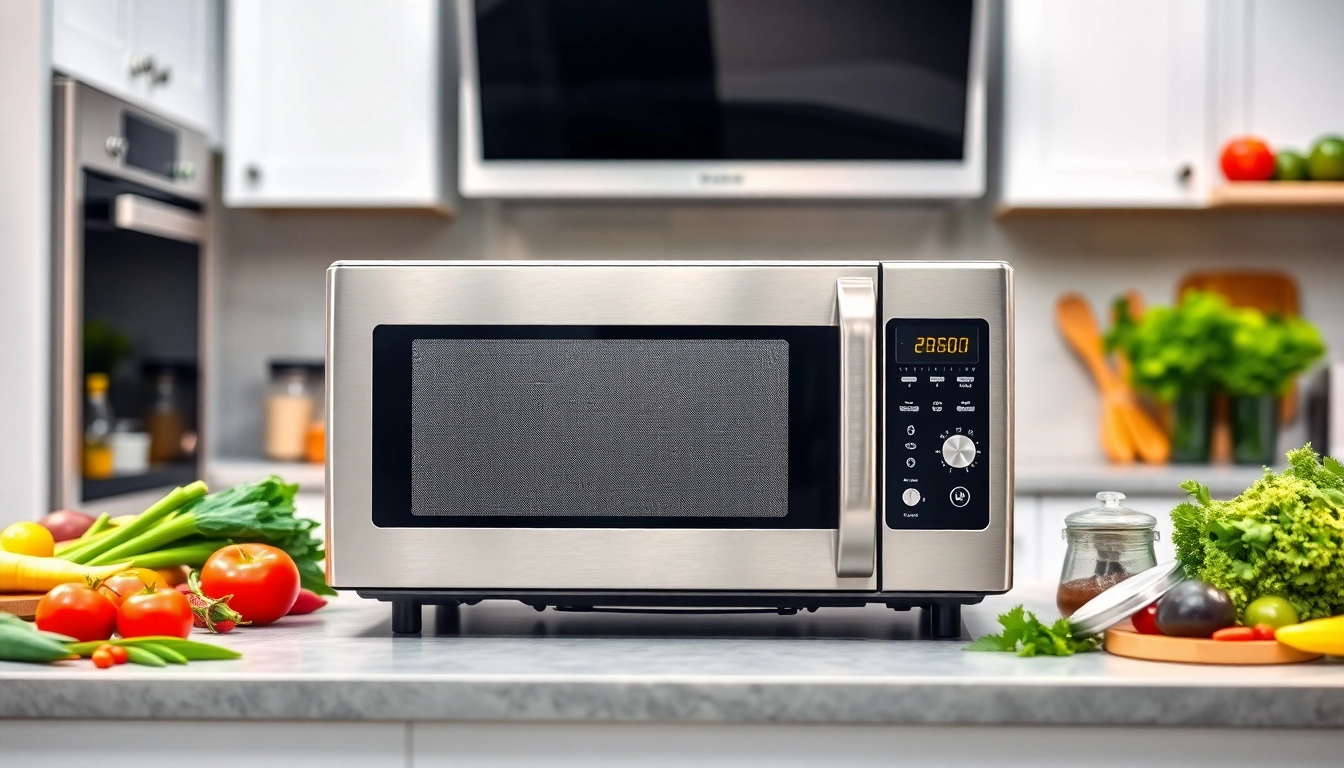
The Evolution of the Microwave Oven
1.1 History and Development
The Microwave Oven has become a staple in modern kitchens, revolutionizing the way we prepare meals. Its history dates back to the mid-20th century when Percy Spencer, an engineer at Raytheon, accidentally discovered that microwaves could cook food. In 1945, he noticed that a candy bar melted in his pocket due to the microwave radiation emitted by a magnetron. This serendipitous moment paved the way for the first commercial microwave oven—the Raytheon Radarange, introduced in 1947. Initially targeting restaurants and commercial kitchens due to its high price, it wasn’t until the 1960s that consumers began to welcome microwave ovens into their homes, thanks to decreasing prices and improved safety features.
1.2 Key Innovations in Technology
Over the decades, the Microwave Oven has experienced significant technological advancements. One of the most impactful innovations was the introduction of the turntable in the 1970s, which ensured more even cooking by rotating food as it heated. Digital controls appeared in the 1980s, allowing for greater precision in cooking times and temperatures. More recently, inverter technology has enhanced microwave efficiency by providing a constant power level instead of pulsing, which maintains the moisture and texture of food. Microwave Oven technology continues to evolve with features like sensor cooking, self-cleaning modes, and smart technology integration, expanding the possibilities of microwave cooking.
1.3 Impact on Modern Cooking
The introduction of the Microwave Oven has profoundly changed how we cook and interact with food. This appliance has expedited meal preparation, allowing busy families to put dinner on the table in a fraction of the time. Beyond reheating leftovers, the Microwave Oven facilitates a variety of cooking techniques, from steaming vegetables to baking desserts. Its convenience encourages experimentation in the kitchen, leading to an increase in home cooking and a healthier lifestyle. Furthermore, the adoption of microwave-safe cookware has added a level of flexibility and safety, making it easier for cooks to create gourmet meals quickly and efficiently.
Choosing the Right Microwave Oven
2.1 Types of Microwave Ovens Explained
Choosing the right Microwave Oven involves understanding the different types available in the market. The most common types include:
- Countertop Microwave Ovens: These are standalone models that can be placed on a kitchen counter, making them portable and easy to use.
- Over-the-Range Microwave Ovens: These units double as a range hood, saving space in the kitchen and providing ventilation while cooking.
- Built-in Microwave Ovens: These are integrated into cabinetry for a seamless look, often designed for specific aesthetic and functional purposes.
- Microwave Oven/Convection Oven Combos: These versatile units can microwave and circulate hot air for baking, providing two cooking methods in one appliance.
2.2 Key Features to Consider
When selecting a Microwave Oven, certain features can dramatically impact your cooking experience:
- Wattage: Higher wattage typically results in faster cooking times. Most microwave ovens range from 600 to 1200 watts.
- Size: Consider the available space in your kitchen and the size of dishes you plan to cook. Compact models are ideal for small kitchens.
- Sensor Cooking: This technology automatically adjusts cooking time and power based on the moisture level in the food, ensuring optimal results.
- Easy-to-Clean Interiors: Look for microwave ovens with non-stick coatings or steam-clean options to simplify maintenance.
- Safety Features: Child lock and auto shut-off features enhance safety, especially in households with children.
2.3 How to Assess Your Cooking Needs
Understanding your cooking habits is crucial in selecting the right Microwave Oven. Consider the following factors:
- Your typical meal preparation style: Do you mainly reheat leftovers, or do you often cook full meals from scratch?
- The size of your household: Larger families may benefit from models with larger capacities.
- Your culinary interests: If you enjoy baking or intricate cooking techniques, look for a convection microwave or additional features.
Essential Tips for Cooking with a Microwave Oven
3.1 Best Practices for Even Heating
To achieve evenly heated food, follow these best practices:
- Stir and Rotate: Stirring food halfway through cooking and using turntables can help distribute heat evenly.
- Cover Food: Using microwave-safe lids, wax paper, or parchment can trap steam and promote uniform heating.
- Use Appropriate Containers: Choose microwave-safe containers to prevent warping or melting that can lead to uneven cooking.
3.2 Avoiding Common Mistakes
To avoid common mistakes while using the Microwave Oven, keep these tips in mind:
- Don’t Overcook: Monitor cooking times, as microwaves can cook food quickly. Adjust based on power levels.
- Avoid Metal: Never put metal containers or aluminum foil in the microwave, as they can cause sparks and fires.
- Don’t Forget to Vent: Covering food ensures it doesn’t dry out but also remember to leave a vent for steam to escape.
3.3 Creative Recipes to Try
The versatility of the Microwave Oven expands your cooking options. Here are some creative microwave-friendly recipes:
- Microwave Mug Cake: Mix flour, sugar, cocoa powder, and milk in a mug and microwave for a quick dessert.
- Steamed Vegetables: Place chopped veggies in a bowl with a little water, cover, and microwave until tender.
- Omelet in a Cup: Whisk eggs, cheese, and your favorite fillings in a microwavable cup, then microwave for a quick breakfast.
Maintenance and Care for Your Microwave Oven
4.1 Cleaning Techniques for Longevity
Regular cleaning of your Microwave Oven will enhance its life and performance. Here are effective techniques:
- Use Vinegar or Lemon: Mix water and vinegar in a bowl or place a lemon half in water; heat to loosen grime.
- Wipe with Damp Cloth: After cleaning with a solution, wipe down with a damp cloth and dry to prevent residues.
- Avoid Abrasive Cleaners: These can scratch surfaces and damage the microwave’s interior finish.
4.2 Troubleshooting Common Issues
If you encounter issues with your Microwave Oven, consider these troubleshooting tips:
- Microwave Not Heating: Check the power supply and the door latch; if both are functioning, the magnetron may need replacement.
- Unusual Noises: Sounds can indicate a misaligned turntable or an issue with the motor. Inspect and adjust as needed.
- Control Problems: If the display isn’t working, consider resetting the oven or replacing the control board.
4.3 When to Replace Your Microwave Oven
Recognizing the right time to replace your Microwave Oven is essential for ongoing efficiency:
- If it frequently malfunctions despite repairs, investing in a new model can save you time and frustration.
- A decrease in performance and heating times can indicate that your microwave has reached the end of its life.
- Modern features like inverter cooking and smart technology often prove beneficial to upgrade for improved functionality.
Exploring Microwave Oven Advanced Features
5.1 Smart Technology in Microwave Ovens
The integration of smart technology has transformed the user experience with Microwave Ovens:
- Wi-Fi Connectivity: Some modern microwaves come with Wi-Fi features, allowing remote operation via apps.
- Voice Control: Hands-free operation using smart assistants can simplify multitasking while cooking.
- Recipe Assistance: Pre-programmed settings based on thousands of recipes offer guidance for easier meal prep.
5.2 Eco-Friendly Options Available
With an increasing focus on sustainability, manufacturers are offering eco-friendly Microwave Oven options:
- Energy-efficient Models: Look for Energy Star certified appliances that consume less electricity.
- Recyclable Materials: Many brands are committing to using materials that are either recyclable or made from recycled content.
- Reduced Packaging: Eco-conscious brands are minimizing packaging waste and opting for sustainable shipping methods.
5.3 Upcoming Trends in Microwave Oven Design
The future of Microwave Ovens promises exciting innovations:
- Stealth Technology: Innovations aimed at reducing noise levels can make microwave cooking even more appealing.
- Advanced Sensor Technologies: Improved sensors could lead to smarter cooking functions, providing exact cooking times for various dishes.
- Customization Options: More brands are beginning to offer aesthetic customization, allowing users to match appliances with kitchen decor.
FAQs
What is a Microwave Oven?
A Microwave Oven is a kitchen appliance that uses microwave radiation to heat and cook food quickly and efficiently.
How do I choose the right Microwave Oven?
Consider factors like size, wattage, features, and your cooking habits to find the best Microwave Oven for your kitchen.
Can I cook everything in a Microwave Oven?
While many foods can be cooked in a Microwave Oven, some items may not achieve the desired texture or flavor when microwaved.
How do I clean my Microwave Oven?
Use a mixture of vinegar and water or a damp cloth to wipe down the interior and exterior, ensuring it remains hygienic and fresh.
Do Microwave Ovens use a lot of electricity?
Microwave Ovens are generally energy-efficient, consuming less electricity than traditional ovens, especially for small meals or snacks.