Understanding Commercial Carpet Cleaning
What is Commercial Carpet Cleaning?
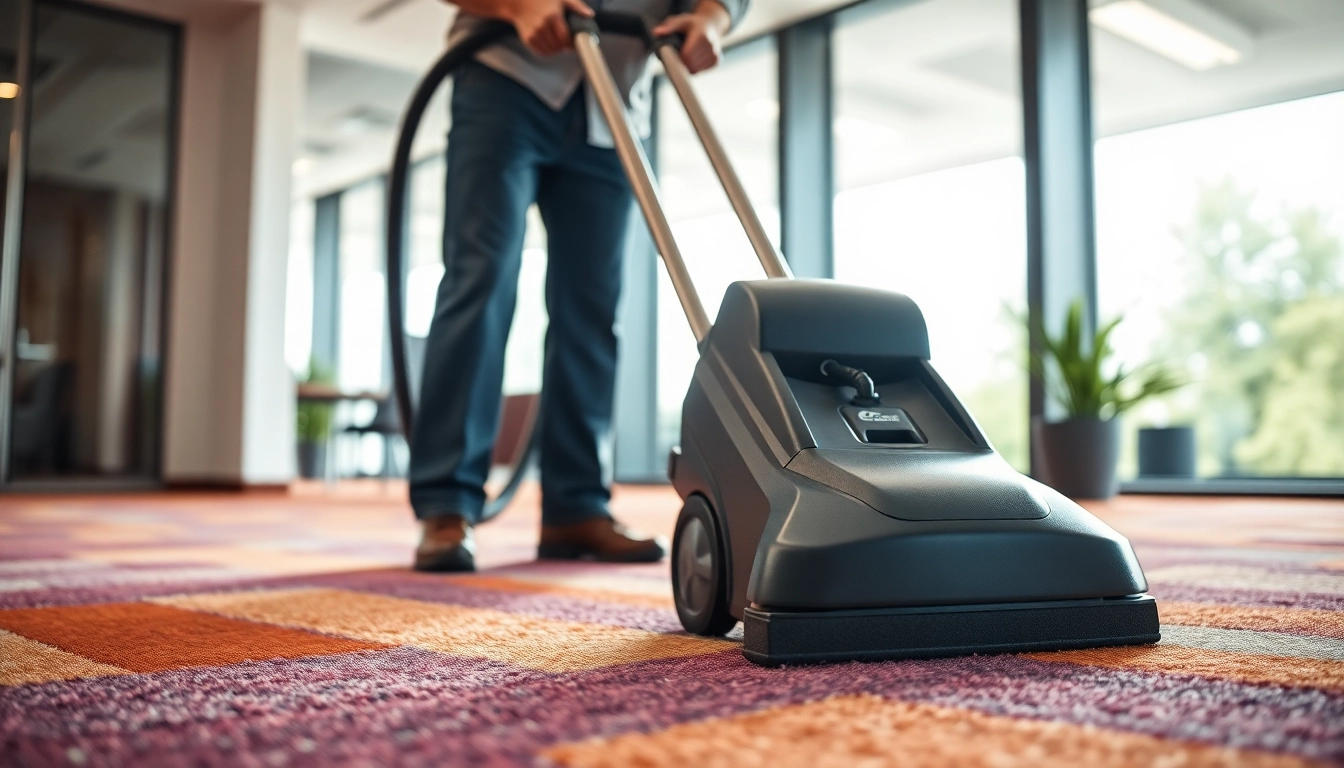
Commercial carpet cleaning refers to specialized cleaning techniques tailored for the durable carpets found in various business environments. Unlike standard residential cleaning, commercial carpet cleaning focuses on high-traffic areas and large-scale installations that require both sanitation and aesthetic maintenance. This involves the use of advanced machinery, specialized products, and methodologies designed to prolong carpet life while ensuring a clean and welcoming space for employees and customers alike.
Importance of Carpet Care for Businesses
The condition of a business’s carpets plays a significant role in the overall perception of the establishment. Clean carpets not only enhance the aesthetic appeal of a space but also contribute positively to the health and morale of employees and visitors. Proper commercial carpet cleaning mitigates allergens and dust, creating a healthier environment. Moreover, regular maintenance can extend the lifespan of the carpet, ultimately saving businesses money on replacements.
Typical Challenges in Carpet Maintenance
Maintaining carpets in a commercial setting poses various challenges. High foot traffic, spills, and the accumulation of dirt are just a few factors that complicate carpet care. Different types of carpets require distinct cleaning methods; wool, nylon, and polyester, for instance, each respond differently to cleaning agents. Additionally, the presence of stains and odors adds to the complexity, making it essential to choose the right cleaning approach to address these issues effectively.
Choosing the Right Cleaning Method
Methods of Commercial Carpet Cleaning
When it comes to commercial carpet cleaning, several methods are commonly employed. The most prevalent methods include:
- Hot Water Extraction: Often referred to as steam cleaning, this method uses hot water and a cleaning solution to penetrate deep into carpet fibers, loosening dirt and debris.
- Carpet Shampooing: This involves applying a foamy cleaning agent to the carpet before scrubbing it in, effectively lifting dirt to the surface.
- Dry Cleaning: Utilizing less water, this method employs chemical agents and a special machine to clean carpets without the need for extensive drying time.
- Bonnet Cleaning: A surface cleaning option, bonnet cleaning involves using a rotating brush with absorbent pads to remove dirt from the carpet fibers.
- Encapsulation Cleaning: This eco-friendly method uses synthetic detergents that encapsulate soils for easy removal, making it effective for regular maintenance.
Factors Influencing Method Selection
Selecting the right carpet cleaning method depends on several factors. These include the type of carpet fiber, the level of soiling, and the desired drying time. Businesses must also consider their operational schedules to minimize interruptions. For example, during busy working hours, quicker drying methods such as encapsulation or dry cleaning may be preferred. Additionally, considering the environmental impact may shift priorities toward eco-friendly cleaning options.
Eco-Friendly Cleaning Options
In an age where sustainability is paramount, many businesses are seeking eco-friendly cleaning solutions. These options utilize biodegradable cleaning agents that are less harmful to the environment and safer for building occupants. Methods such as encapsulation cleaning can be combined with green cleaning products to achieve effective results while minimizing environmental impact. Selecting eco-friendly options not only benefits the environment but also enhances the business’s reputation as a socially responsible entity.
Preparing for Commercial Carpet Cleaning
Assessing Carpet Condition
Before initiating any cleaning process, it's crucial to assess the carpet's overall condition. This involves identifying specific stains, signs of wear, and areas of high traffic that may require special attention. A thorough inspection helps establish the most effective cleaning approach and highlights any potential need for repairs or replacement. Understanding the state of the carpets provides a valuable baseline against which the effectiveness of the cleaning can be measured.
Creating a Cleaning Schedule
Regularly scheduled cleaning is essential for effective carpet maintenance. Establishing a cleaning schedule based on traffic patterns, seasonal changes, and specific business needs is important. Businesses may need to adopt more frequent cleaning during peak seasons or after significant events where increased foot traffic occurs. A well-structured schedule ensures carpets are kept in optimal condition, reducing the likelihood of deep cleaning crises.
Preparing the Work Environment
Preparing the workspace ahead of cleaning is vital to facilitate the process. This includes clearing any furniture or obstacles that may impede the cleaning efforts. Additionally, providing clear communication to employees about the cleaning schedule minimizes disruptions and allows them to make necessary arrangements. Ensuring adequate ventilation during the cleaning process can also help improve drying times and reduce odors from cleaning chemicals.
Best Practices for Effective Carpet Care
Regular Maintenance Tips
Implementing effective regular maintenance strategies can significantly enhance the appearance and longevity of carpets. Some best practices include:
- Routine Vacuuming: Frequent vacuuming removes dirt and dust, preventing buildup that can dull the carpet's appearance.
- Immediate Stain Treatment: Addressing spills and stains immediately minimizes the risk of permanent damage. Having a stain removal kit on hand can be beneficial.
- Use Entrance Mats: Placing mats at entrances traps dirt and moisture, lessening the amount that reaches the carpeted areas.
Damage Prevention Strategies
Preventing damage to carpets is crucial in a commercial setting. Here are some strategies to consider:
- Implementing a no-shoe policy in certain areas can drastically reduce wear and tear.
- Regularly rotating furniture can prevent uneven wear patterns.
- Utilizing carpet protectors can shield high-traffic areas from excessive wear.
When to Call Professionals
While regular maintenance can address many issues, there are times when professional assistance is necessary. Stains that have set in or damage from flooding may require expert intervention. If the carpets are showing persistent discoloration despite routine cleaning, it may also be a signal to bring in professionals. Understanding when to seek help can prevent further damage and ensure carpets maintain their original appeal.
Measuring the Effectiveness of Carpet Cleaning
Metrics to Evaluate Cleaning Success
Evaluating the effectiveness of carpet cleaning involves several metrics. Visual assessments can determine cleanliness and uniformity of appearance. Additionally, odor removal is an essential aspect; carpets should smell fresh post-cleaning. Gauging durability and resilience can be achieved by observing how well the carpets withstand foot traffic and resist staining after cleaning.
Feedback and Continuous Improvement
Soliciting feedback from employees and clients about the carpet cleanliness can provide invaluable insights. Collecting and addressing their concerns is vital to the continuous improvement of carpet care practices. This feedback loop allows businesses to align cleaning schedules and practices with the actual needs and expectations of their users.
Developing a Long-Term Carpet Maintenance Plan
A comprehensive long-term carpet maintenance plan should integrate cleaning schedules, regular assessments, employee training, and feedback mechanisms. By documenting procedures and establishing clear checklists, businesses can ensure everyone is aligned on maintenance responsibilities. Investing in the longevity of carpets not only enhances the overall workplace environment but also reflects positively on the business's commitment to quality care.
Frequently Asked Questions
What is the best method for commercial carpet cleaning?
The best method often depends on the carpet type and condition. Hot water extraction is widely recommended for deep cleaning, while dry cleaning is suitable for sensitive areas requiring quick drying.
How often should carpets be cleaned in a commercial space?
Typically, commercial carpets should be cleaned at least every 6 to 12 months. High-traffic areas may require cleaning every 3 to 6 months for optimal maintenance.
Can I clean my commercial carpets myself?
While it's possible to do some basic cleaning, professional services provide specialized equipment and expertise necessary for deep cleaning and stain removal.
What are eco-friendly carpet cleaning options?
Eco-friendly options typically involve biodegradable cleaning solutions and methods like encapsulation that use less water, reducing environmental impact.
How can I prevent carpet damage?
To prevent damage, implement regular vacuuming, use entrance mats, and conduct immediate stain treatment. Rotate furniture regularly to avoid uneven wear.