Understanding Wooden Panels for Ceilings
What are Wood Panels for Ceilings?
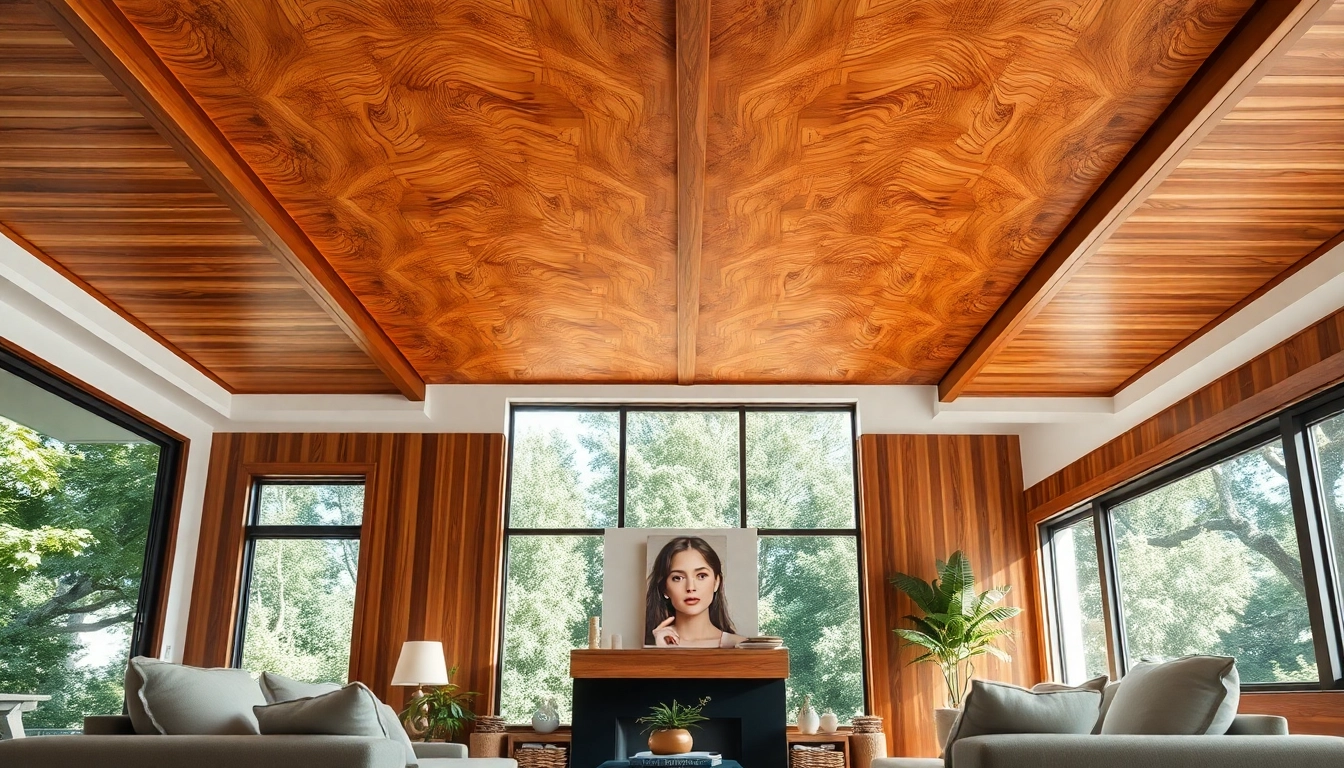
Wood panels for ceilings are decorative and functional elements used to enhance interior spaces. They are typically crafted from various types of wood, offering both aesthetic appeal and practical benefits such as insulation and soundproofing. These panels can be installed directly onto ceilings or used as part of a grid system, providing versatility in design and execution. The warmth and richness of wood help create an inviting atmosphere, making these panels a popular choice in residential and commercial settings alike. For more options, explore wood panels for ceilings and find the perfect fit for your space.
Types of Wood Panels Available
Wood panels for ceilings come in various types to suit different styles and preferences. Some common varieties include:
- Solid Wood Panels: Made from lumber; offer durability and a natural look.
- Plywood Panels: Lightweight and cost-effective, ideal for budget-conscious projects.
- Engineered Wood Panels: Crafted from wood fibers; stable and resistant to warping.
- Veneer Panels: Feature a thin layer of natural wood over a base material; provide an elegant finish.
- Shiplap Panels: Overlapping boards that create a classic look; popular in rustic designs.
Benefits of Using Wood Panels for Ceilings
Incorporating wood panels for ceilings comes with numerous advantages:
- Aesthetic Appeal: Wood panels add natural beauty and character to any space.
- Insulation: They help with thermal insulation, keeping rooms warm in winter and cool in summer.
- Sound Absorption: Wood has natural sound-absorbing qualities, reducing echo and noise levels.
- Environmentally Friendly: Sustainably sourced wood options contribute to a lower carbon footprint.
- Easy Installation: Many types of panels are designed for straightforward installation, making DIY projects more accessible.
Choosing the Right Wood Panels for Ceilings
Factors to Consider Before Selection
When selecting wood panels for ceilings, various factors should be considered to ensure the best fit for your space:
- Room Size and Height: In smaller rooms, lighter wood tones can create an illusion of height; larger spaces may benefit from darker, bolder choices.
- Style and Décor: Match the wood panel style with existing décor to create a cohesive look.
- Budget: Determine your budget upfront as prices can vary widely based on type and quality.
- Installation Method: Consider whether you will install the panels yourself or hire a professional, as this can influence your choice.
- Maintenance: Select panels that fit your maintenance capabilities, as some finishes require more upkeep than others.
Popular Wood Species for Ceiling Panels
The choice of wood species can significantly impact both aesthetics and durability. Here are some popular options:
- Pine: An affordable and readily available option, ideal for rustic themes.
- Oak: Durable and strong, offering a refined appearance and a range of finishes.
- Cedar: Naturally resistant to decay and insects, making it suitable for humid environments.
- Maple: A hardwood with a fine grain, perfect for contemporary looks.
- Walnut: Known for its rich color and natural beauty, it adds luxury to any space.
Styles and Finishes of Wood Panels
The style and finish of wood panels play a crucial role in defining the overall look of a room. Here are some styles to consider:
- Classic Beadboard: Adds a charming, vintage feel, often found in coastal homes.
- Modern Planks: Clean lines and minimalistic appearance suit contemporary designs.
- Acoustic Panels: Designed specifically for soundproofing, they come in various designs.
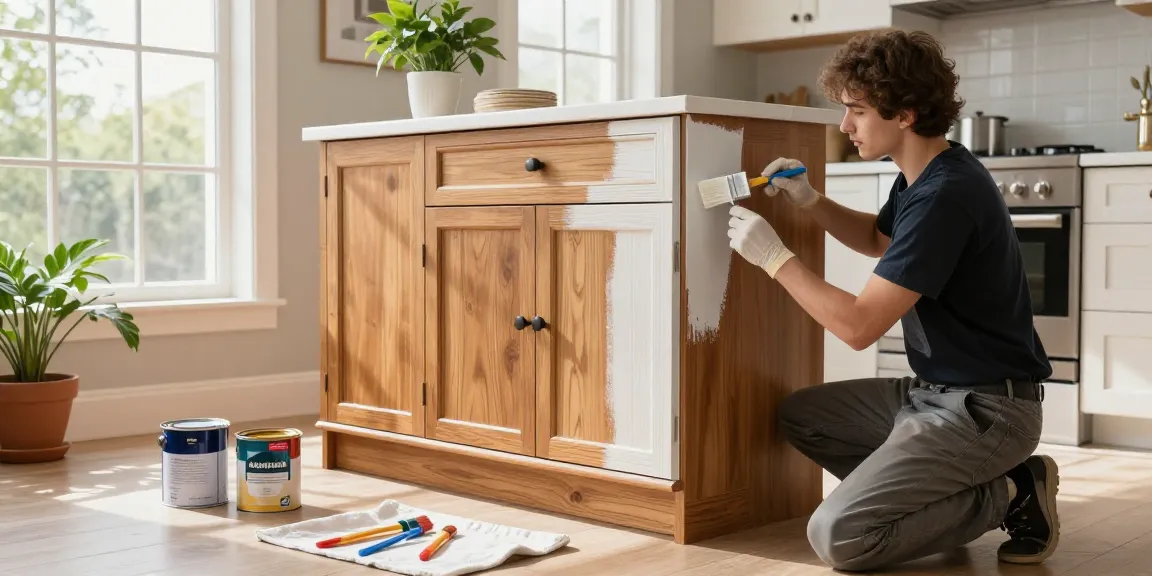
- Painted Finishes: Customizable and ideal for brightening dark spaces.
- Natural Stains: Enhance the wood grain while providing a protective layer.
Installation of Wood Panels for Ceilings
Preparing for Installation
Before installation, proper preparation is essential for ensuring a successful project:
- Tools Needed: Gather necessary tools, including a measuring tape, level, saw, nail gun, and safety gear.
- Measurements: Accurately measure the ceiling area to determine how many panels you need.
- Climate Control: Allow wood panels to acclimate to the room's humidity and temperature before installation to prevent warping.
- Surface Preparation: Ensure the ceiling surface is clean, flat, and free of any obstructions.
Step-by-Step Installation Guide
To install wood panels for ceilings, follow these steps:
- Mark a Starting Line: Use a chalk line to mark your first row, usually along the longest wall.
- Cut Panels to Length: Measure and cut your panels to fit your ceiling dimensions.
- Secure the Panels: Begin attaching the first panel, using nails or adhesive as required.
- Continue Installation: Align and secure each subsequent panel, ensuring a snug fit.
- Finish with Trims: Once all panels are in place, add any necessary trims to conceal gaps and provide a polished look.
Common Mistakes to Avoid
To avoid pitfalls during installation, keep these common mistakes in mind:
- Inaccurate Measurements: Always double-check measurements before cutting panels.
- Uneven Installation: Use a level to ensure each panel is aligned properly.
- Insufficient Acclimation: Failing to let panels acclimate can lead to shrinkage or expansion post-installation.
- Neglecting Safety: Always wear protective gear and follow safety guidelines while working.
Maintenance Tips for Wood Panels for Ceilings
Cleaning and Care Best Practices
Maintaining wood panels for ceilings is crucial for their longevity. Here are some best practices:
- Regular Dusting: Use a soft cloth or duster to remove dust and debris weekly.
- Gentle Cleaning: For deeper cleaning, use a damp cloth with mild soap and water.
- Avoid Harsh Chemicals: Stay away from abrasive cleaners or bleach, which can damage the finish.
Handling Damage and Repairs
In case of damage, prompt action can help maintain the appearance of wood panels:
- Surface Scratches: Buff minor scratches with a fine-grit sandpaper and reapply the finish.
- Water Damage: Address water stains by drying the affected area and possibly sanding and refinishing.
- Panel Replacement: If a panel is severely damaged, replace it with a new one, ensuring it matches the existing panels.
Extending the Life of Wood Panels
To extend the lifespan of wood panels, consider implementing these strategies:
- Control Humidity: Maintain suitable indoor humidity levels to prevent warping or cracking.
- Regular Inspections: Conduct seasonal checks for signs of damage or wear.
- Reapply Finishes as Needed: Regularly renew protective finishes to keep panels looking fresh.
Inspiration and Trends in Wood Panels for Ceilings
Innovative Designs to Consider
As interior design evolves, so do the trends in wood panels for ceilings. Here are some innovative ideas:
- Geometric Patterns: Use panels to create striking geometric designs, adding depth and visual interest.
- Mixed Materials: Combine wood with metals or plaster for an eclectic aesthetic.
- Layered Textures: Experiment with different panel profiles to create a textured ceiling effect.
Combining Wood with Other Materials
Combining wood panels with other materials can enhance functionality and style:
- Wood and Glass: Use glass elements alongside wood for a modern and airy feel.
- Wood and Metal: Metal accents can complement wood, enhancing both durability and design.
- Wood and Fabric: Soft materials can add warmth and contrast to hard surfaces, creating balance.
Top Trends for Modern Interiors
Keep an eye on these key trends that are shaping modern ceiling aesthetics:
- Sustainable Choices: Eco-friendly wood sourcing is increasingly favored in design.
- Bold Colors: Rich hues and deep stains are rising in popularity.
- Multifunctional Spaces: Wood panels are being used in multi-purpose rooms to enhance both function and style.
FAQs
1. How do I choose wood panels for ceilings?
Choose wood panels based on your room's style, space availability, and budget. Focus on wood type and finish.
2. Can I install wood panels for ceilings myself?
You can install wood panels yourself with the right tools and instructions, but professional installation can ensure better results.
3. What maintenance do wood panels for ceilings require?
Wood panels require dusting, occasional deep cleaning, and checking for moisture damage to maintain their condition.
4. Are wood panels for ceilings eco-friendly?
Many wood panels come from sustainable sources, but be sure to check certifications for assurance of eco-friendliness.
5. Can I paint or stain wood panels for ceilings?
Yes, painting or staining wood panels can customize their appearance, but ensure proper preparation for the best finish.