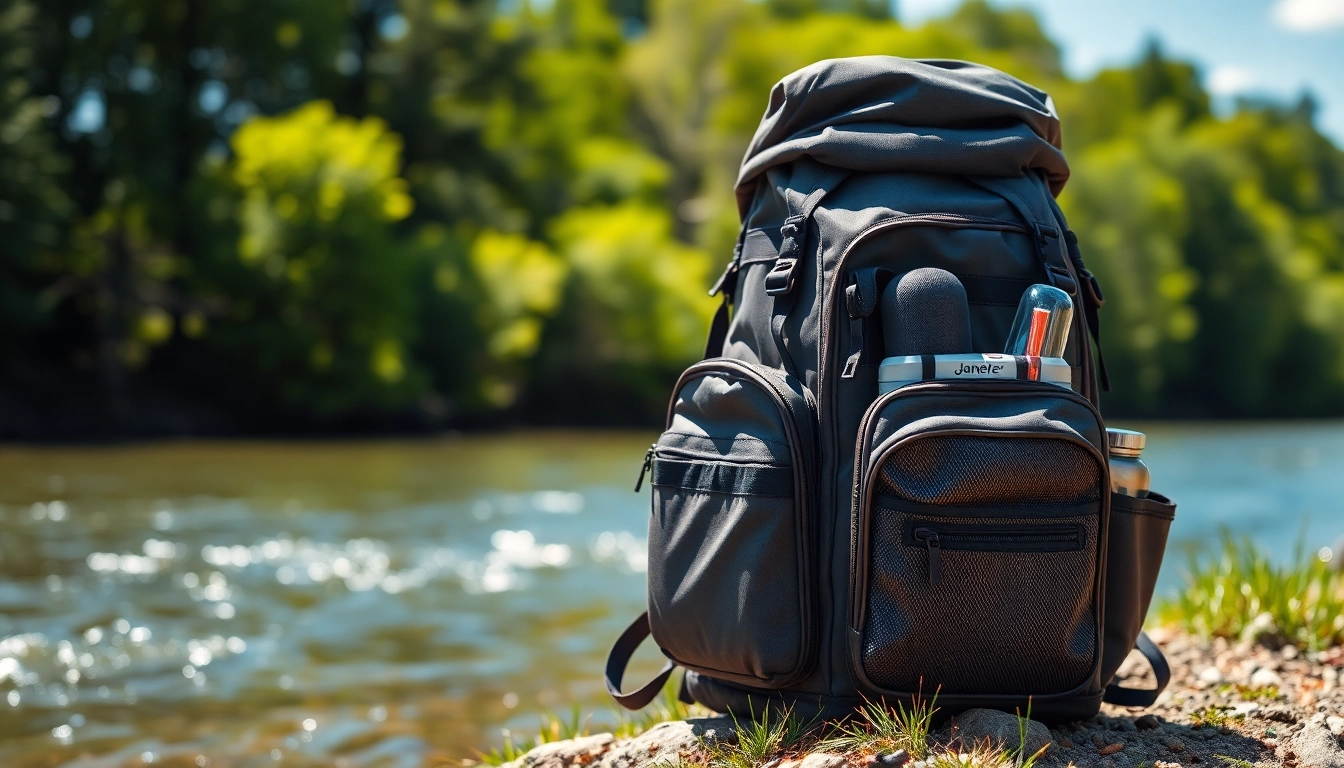
Understanding the Fly Fishing Backpack
What is a Fly Fishing Backpack?
A fly fishing backpack is a specialized piece of gear designed specifically for anglers who pursue the art of fly fishing. Unlike standard backpacks, which may not account for the unique demands of fishing gear, a fly fishing backpack offers compartments, pockets, and features tailored for fly rods, tackle, and personal items. These backpacks are built to endure the wet and rugged environments often associated with fishing, providing both functionality and durability.
Key Features of a Quality Fly Fishing Backpack
When selecting a fly fishing backpack, there are several key features to consider:
- Water Resistance: Look for materials that repel water and have waterproof zippers to keep your gear dry.
- Comfort: Ensure the backpack has padded straps, adjustable back panels, and good weight distribution to enhance comfort during long hikes.
- Storage Options: Quality backpacks offer multiple compartments and pockets of various sizes for easy organization of gear, hydration systems, and personal items.
- Compatibility with Fishing Gear: It should accommodate rod tubes, fly boxes, and accessories without compromising accessibility.
- Durability: A well-made fly fishing backpack should be constructed from durable materials that can withstand the elements.
Why You Need a Specialized Backpack for Fly Fishing
Using a specialized fly fishing backpack offers several advantages over regular backpacks. From organization to durability, these backpacks are structured to facilitate easier access to gear when it matters most while ensuring protection against adverse weather conditions. The right backpack can significantly enhance your fishing experience, allowing you to focus on the sport rather than fumbling around with ill-suited merchandise.
Choosing the Right Fly Fishing Backpack
Assessing Your Needs and Fishing Style
Before investing in a fly fishing backpack, assess your fishing style and needs. Are you a day tripper, often venturing into remote waters, or do you prefer short local outings? Understanding your typical fishing scenarios will help narrow down the selection. Consider factors like the duration of your trips, the amount of gear you typically carry, and the specific conditions you will be encountering.
Material and Durability Considerations
Choosing a backpack made from high-quality materials is crucial, especially when you plan to fish in rugged or wet environments. Look for fabrics like nylon or polyester, which offer a good balance of weight and durability. Also, seek out backpacks with reinforced seams and heavy-duty zippers. These elements not only increase the longevity of the pack but also ensure reliable performance on your outdoor adventures.
Top Brands and Models to Consider
The market offers several reputable brands known for producing high-quality fly fishing backpacks. Consider brands like:
- Simms: Renowned for their durability and function, offering backpacks that meet various fishing styles.
- Fishpond: Known for their sustainable manufacturing practices and intricate storage solutions designed specifically for anglers.
- Orvis: Offers stylish yet functional options, ideal for both casual and serious fly fishers.
- Patagonia: Focused on eco-friendly materials and long-lasting designs.
A thorough comparison of these brands will help you find a backpack that perfectly matches your requirements.
Storage Solutions in Fly Fishing Backpacks
Understanding Different Compartment Types
A well-designed fly fishing backpack features various compartments that serve different purposes. Common compartments include:
- Main Storage Area: A large compartment for bulk items such as extra clothing or gear.
- Fly Box Compartments: Specifically sized pockets to accommodate fly boxes securely.
- Hydration Reservoir Sleeve: A designated space for a hydration bladder, allowing quick access to water without having to stop and unpack.
- External Pockets: Smaller pockets often located on the exterior for quick-access items like fishing licenses and tools.
Best Practices for Organizing Your Gear
Proper organization of your gear can not only enhance accessibility but also streamline your fishing experience. Here are some best practices:
- Group Similar Items: Store tackle, flies, and tools in separate compartments to avoid cross-contamination and confusion.
- Keep Essentials Accessible: Items you use frequently should be placed in external pockets for easy reach.
- Utilize Clear Storage Bags: Using waterproof bags can prevent items from getting wet and allow for easy visibility.
Essential Gear to Pack for a Successful Fishing Trip
Packing the right gear can make or break your fishing trip. Consider including:
- Fly rods and reels
- A selection of flies suitable for local waters
- Fishing nets to ensure you can land your catch
- Tools such as forceps and clippers for managing flies and hooks
- Hydration and snacks to maintain energy on longer trips
Maintenance Tips for Your Fly Fishing Backpack
Cleaning and Care Instructions
Regular maintenance is vital to prolong the life of your backpack. Follow these cleaning guidelines:
- Regularly Check for Dirt and Debris: After every trip, inspect your backpack for dirt, mud, or grime.
- Hand-M wash: Use a gentle detergent and warm water to clean. Avoid harsh chemicals that may damage the material.
- Air Dry: Always let your backpack dry fully before storage.
Repairing Common Issues
Over time, wear and tear can occur. Some common issues and repairs include:
- Zipper Malfunctions: If a zipper becomes stuck, applying wax or lubricant often aids in restoring functionality.
- Damaged Straps: If straps fray or break, consider sewing them back or using durable tape as a temporary fix.
- Waterproofing Repairs: Use sprays and coatings designed for outdoor gear to maintain water resistance.
When to Replace Your Backpack
Knowing when to replace your fly fishing backpack is critical for maintaining effectiveness during your outings. Signs include:
- Significant wear on seams or material
- Persistent zipper or strap failures
- Lack of water resistance after thorough attempts to repair
Maximizing the Lifespan of Your Fly Fishing Backpack
Seasonal Storage Tips
Proper seasonal storage significantly enhances your backpack's lifespan. Follow these tips:
- Store in a cool, dry place away from direct sunlight.
- Ensure it is clean and dry before storing for any length of time.
- Avoid putting heavy items on top of your backpack during storage to prevent deformity.
Upgrading Accessories for Enhanced Functionality
To further enhance the functionality of your fly fishing backpack, consider the use of various accessories:
- Modular Organization Systems: Add-on systems can help you customize storage according to gear needs.
- Water Bottle Holders: Add-ons that fit accordingly can help keep hydration handy.
- Reflective Strips: Consider upgrading to improve visibility during dawn or dusk fishing trips.
Feedback from Users: Real-Life Experiences
Understanding real-life experiences with fly fishing backpacks can provide valuable insight. Many anglers have reported improved efficiency and enjoyment when using specialized backpacks tailored to their fishing style. Common positive feedback includes excellent organization, durability in harsh weather, and overall comfort during long hikes to remote fishing spots.