
Working with Cutch dye is one of the most rewarding experiences in natural dyeing, offering warm, earthy browns that suit a wide range of fibers and artistic styles. Whether you’re new to botanical color or looking to refine your craft, learning the proper methods for preparing, applying, and modifying Cutch dye will help you achieve consistent, professional-quality results. This guide walks you through the essential steps of using Cutch dye, from fiber preparation to creative techniques that unlock the dye’s full potential.
Understanding the Qualities of Cutch Dye
A Plant-Based, Tannin-Rich Dye
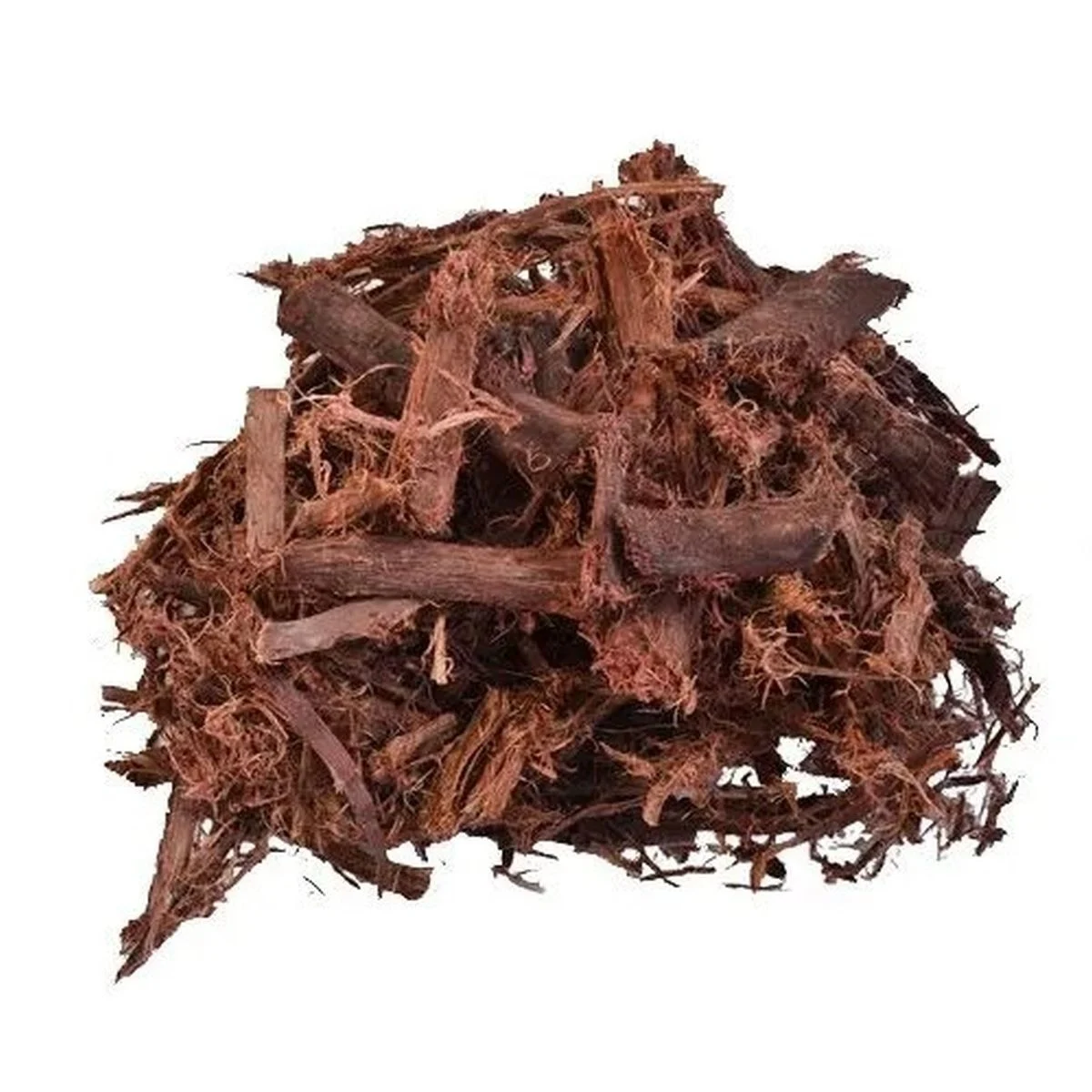
Derived from the heartwood of the Acacia catechu tree, Cutch dye is rich in natural tannins—making it one of the most reliable browns in the natural dye palette. These tannins help the dye bind firmly to fibers, producing shades that are beautifully warm and impressively colorfast.
Color Range and Depth
The tones created with Cutch dye range from soft caramel to deep chocolate, depending on concentration and mordants. Its ability to shift subtly with modifiers gives you enormous flexibility while maintaining an organic, earthy feel.
Ideal for Eco-Friendly Projects
Artists who prefer low-impact, plant-based dyes appreciate that Cutch dye is biodegradable, sustainable, and compatible with many natural mordants. It’s perfect for small studios, home dyers, and anyone prioritizing environmental responsibility.
Preparing Fibers for Dyeing
Scouring for Clean Absorption
To achieve even coloring, fibers must first be scoured to remove oils and residues. Clean fibers absorb Cutch dye more effectively, ensuring smoother results on cotton, linen, hemp, wool, and silk.
Mordanting for Long-Lasting Color
For the best colorfastness, mordanting is essential. Alum creates warm, balanced browns, while iron produces cooler, darker shades. When paired with Cutch dye, each mordant offers a different artistic possibility, giving you full control over depth and temperature.
Special Considerations for Fiber Types
Cellulose fibers respond particularly well to the tannin structure of Cutch dye, producing strong, rich tones. Protein fibers dye beautifully too, often revealing slightly softer or pink-tinted browns depending on the process.
Creating a Cutch Dye Bath
Hydrating and Dissolving the Extract
To begin, dissolve the solid extract of Cutch dye in hot water, ensuring it fully hydrates before adding your fabric. This prevents graininess and helps you achieve an even, streak-free dye bath.
Adjusting Strength and Temperature
You can control your final shade by increasing or decreasing the amount of Cutch dye in the bath. A stronger bath creates deeper tones, while lighter concentrations yield gentle neutrals. Slow heating is recommended to allow the dye to open gradually.
Testing and Sampling
Before committing to a full piece, it’s helpful to test small fabric swatches. This practice allows you to see how Cutch dye interacts with your chosen mordant and fiber, helping you refine the color before dyeing the final textile.
Dyeing Techniques for Beautiful Results
Immersion Dyeing
Immersion dyeing is the most common method for applying Cutch dye. Fabrics are submerged and gently warmed, allowing the dye to saturate them evenly. This technique creates solid, smooth tones ideal for garments and home textiles.
Layering and Overdyeing
To create more complex colors, many artists overdye with Cutch dye. When layered over indigo, it produces olive greens; when paired with madder, it leads to coppery browns and russet shades. Overdyeing is an excellent way to build depth into your palette.
Surface Design Applications
Thickened Cutch dye can be used for block printing, painting, and screen printing. Its earthy warmth makes it ideal for botanical motifs, geometric patterns, and textured surface designs that highlight the natural beauty of hand-dyed textiles.
Inspiration for Natural Dye Projects
Wearable Art
Scarves, wraps, shirts, and dresses come alive with the grounded browns of Cutch dye. These shades complement minimalistic fashion and eco-minded wardrobes centered around comfort and simplicity.
Home Décor and Interior Textiles
Cushions, table linens, curtains, and wall hangings dyed with Cutch dye add a natural, calm aesthetic to indoor spaces. The warm tones blend seamlessly into rustic, contemporary, or earthy interior settings.
Fiber Art and Craft Projects
Yarns, mixed-media works, and handwoven pieces take on remarkable depth when colored with Cutch dye. Its ability to pair well with other natural dyes makes it a favorite among artists who enjoy experimenting with layered effects and organic color stories.
Caring for Cutch-Dyed Fabrics
To preserve the beauty of your naturally dyed textiles, wash them gently with cool water and a pH-neutral soap. Drying them in the shade helps maintain the vibrancy of Cutch dye, ensuring your work remains rich and warm over time.
Conclusion
Learning how to use Cutch dye opens the door to a world of natural, earthy tones that enhance handmade textiles with depth and authenticity. With proper preparation, thoughtful mordanting, and creative dyeing techniques, you can achieve an impressive range of browns that reflect your artistic style. Whether you’re crafting garments, home décor, or fiber art, Cutch dye offers a sustainable, versatile, and enriching experience for every natural dyer.