Understanding Fly Fishing Basics
What is Fly Fishing?
Fly fishing is a specialized angling method that utilizes a lightweight lure called a "fly" to catch fish. This technique originated centuries ago and has evolved into various styles and practices worldwide. Unlike traditional fishing, where live bait or heavier lures are used, fly fishing involves casting a fly, typically made from materials like feathers, threads, or synthetic materials, to mimic the appearance and movement of aquatic insects or baitfish.
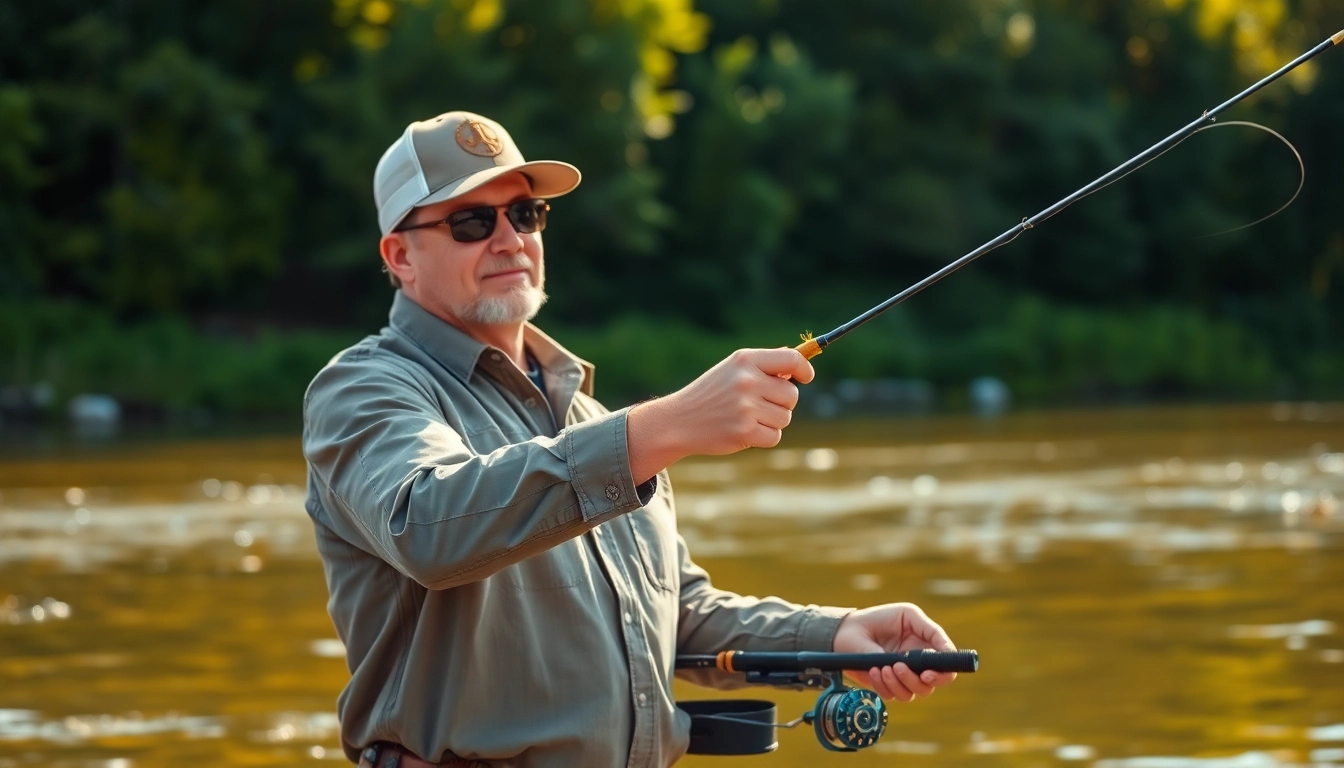
What sets fly fishing apart is the casting technique, which relies on the weight of the fly line rather than the fly itself to propel the bait. This unique method requires practice, timing, and skill, making it an engaging pursuit for fish enthusiasts. With tranquil settings often associated with fly fishing, many anglers enjoy the peace and connection to nature that it offers.
Essential Gear for Beginners
Getting started with fly fishing requires some basic gear. Here’s a breakdown of the essential equipment:
- Fly Rod: Lightweight rods typically range between 7 to 9 feet, suited for various fish. Selecting the appropriate rod weight is crucial for the types of fish you plan to catch.
- Fly Reel: A reel serves to store and retrieve fly line and should match the size of your fly rod to ensure balance and performance.
- Line: Fly lines are thicker and heavier than standard fishing lines. They come in various types, such as floating, sinking, and textured, each serving specific fishing scenarios.
- Flies: A selection of flies is essential. Beginners often start with nymphs, dries, and streamers, each mimicking different aquatic creatures.
- Waders and Boots: If you plan to fish in rivers or streams, waterproof waders keep you dry and comfortable. Fly fishing boots provide traction on slippery surfaces.
Equipping yourself with the right gear can greatly influence your learning experience and success while fly fishing.
Common Techniques to Learn
As a beginner, mastering some basic techniques will enhance your fly fishing experience:
- Overhead Cast: This is the foundational casting technique. It involves a backcast and forward cast to propel the fly toward the water.
- Roll Cast: Useful in confined spaces or when you can't make an overhead cast, the roll cast uses the water's surface to assist in line launch.
- Double Haul: An advanced casting method that involves using both hands to gain more distance and control during your cast.
- Drift Techniques: Understanding how to present your fly to match the natural drift of insects on the water surface is crucial when fishing
Finding Fly Fishing Lessons Near Me
Online vs. In-Person Lessons
When seeking fly fishing lessons, you’ll encounter two primary options: online courses and in-person instruction. Each format has advantages and disadvantages. Online lessons can provide flexibility and a broad range of topics at your own pace, allowing you to revisit complex concepts. However, the necessity of practical, hands-on learning is paramount in fly fishing since techniques can often be nuanced.
In-person lessons, on the other hand, offer direct interaction with instructors, immediate feedback, and an opportunity to practice casting in real-time. The social aspect and encouragement from instructors and fellow learners can significantly elevate the learning experience, especially for beginners
Evaluating Local Options
When searching for Fly fishing lessons near me, consider the following factors:
- Instructor Qualifications: Research the experience and teaching style of potential instructors. Look for certified professionals with a passion for teaching.
- Class Size: Smaller groups often allow for more personalized attention, which can enhance learning.
- Reviews and Recommendations: Seek feedback from former students to gauge satisfaction and quality.
- Location and Accessibility: Ensure the teaching locations are convenient and accessible, perhaps near water bodies that are ideal for practicing.
- Course Content: Review the curriculum to ensure it includes various important aspects of fly fishing, such as casting, equipment, and local fish species.
Pricing and Packages Overview
Pricing for fly fishing lessons can vary widely based on location, instructor reputation, and class length. Many local outfitters offer basic courses for around $75 to $150 per session. Group lessons often provide a cost-effective way to learn, while private lessons tend to be more expensive but offer tailored instruction. Look for package deals that combine multiple lessons or include use of equipment to maximize your investment.
Preparing for Your First Lesson
What to Expect During the Class
Your first fly fishing lesson may seem intimidating, but instructors are typically eager to share their knowledge with beginners. Expect a combination of instruction and hands-on practice. Instructors will cover key topics, such as gear introduction, casting techniques, knots, and fish behavior.
Most lessons start on dry land where you'll practice casting techniques before transitioning to the water. This progression builds confidence and ensures necessary foundational skills are solid before facing live conditions.
Pre-Lesson Gear Checklist
Being prepared for your lesson can enhance your learning experience. Here's a checklist of essential items to bring:
- Fly rod and reel set up
- Fly line and leader
- A selection of flies suitable for the time of year and location
- Waders or a proper change of clothes
- Sun protection, such as sunscreen and sunglasses
- Water and snacks to stay hydrated and energized
Tips for an Enjoyable Experience
To maximize your first lesson, keep these tips in mind:
- Be Open to Learning: Approach the lesson with an open mind, and don't hesitate to ask questions.
- Practice Patience: Learning new skills takes time. Focus on improvement rather than perfection.
- Engage with Instructors: Building rapport with your teacher can enhance your experience—don't shy away from interaction.
- Embrace Nature: Enjoy the surroundings! Fly fishing is as much about the experience outdoors as it is about catching fish.
Improving Your Fly Fishing Skills
Advanced Casting Techniques
Once you’ve grasped the basics, consider advancing your casting skills. Techniques like the single haul and double haul allow for longer casts and better control of the line. Additionally, mastering the Mending technique is vital for managing fish presentation on the water surface, ensuring your fly seems more natural.
Understanding Fish Behavior
Effective anglers develop a keen understanding of fish behaviors and feeding patterns. Factors such as water temperature, the season, and time of day affect fish activity. Learning to recognize rising fish can signal a hatch, prompting you to choose flies that mimic their feeding preferences. Familiarize yourself with local species and their habits, including preferred habitats, food sources, and spawning behavior, to enhance your chances of success.
Practicing Outside of Lessons
Continuous practice can significantly enhance your skills. Consider setting aside time to cast in your backyard or local park. Practicing different casting distances and angles allows you to become confident in your technique, even outside of a fishing environment. Joining local fly fishing clubs or groups can also connect you with fellow anglers for tips, encouragement, and motivation.
Frequently Asked Questions About Fly Fishing Lessons
What should I bring to my first lesson?
Bring your fly rod and reel, a selection of flies, a hat, sunscreen, and comfortable clothing. Don’t forget snacks and water!
How long do lessons typically last?
Most fly fishing lessons last between 2 to 4 hours, depending on whether it includes practical time on the water.
Are lessons suitable for all ages?
Yes, fly fishing lessons are generally suitable for individuals of all ages, from children to adults, promoting shared experiences.
Can I learn fly fishing if I have no prior experience?
Absolutely! Fly fishing lessons are designed for beginners, ensuring a solid introduction to techniques and skills.
What should I wear during lessons?
Wear comfortable, weather-appropriate clothing that allows easy movement. Quick-dry fabrics are ideal if you might get wet. Waterproof boots are a plus.