Understanding Steel Fabrication Shop Services
Steel fabrication is a critical process in various industries, from construction to manufacturing and beyond. A steel fabrication shop specializes in transforming raw steel materials into finished products that meet the specific requirements of different projects. Understanding the services provided by these shops can help you make informed decisions when you consider outsourcing your fabrication needs.
Types of Services Offered
A steel fabrication shop typically provides a wide array of services tailored to the unique demands of its clientele. Here are the most common types of services:
- Custom Fabrication: Custom fabrication is at the heart of what most steel fabrication shops offer. Each project may require a different shape or assembly tailored to specific dimensions or functionalities.
- Structural Steel Fabrication: This involves fabricating steel components used in buildings, bridges, and other structures. Shops may provide steel beams, columns, and trusses necessary for structural integrity.
- Sheet Metal Fabrication: Services for shaping and assembling sheet metals into usable products. This includes processes like shearing, bending, and welding.
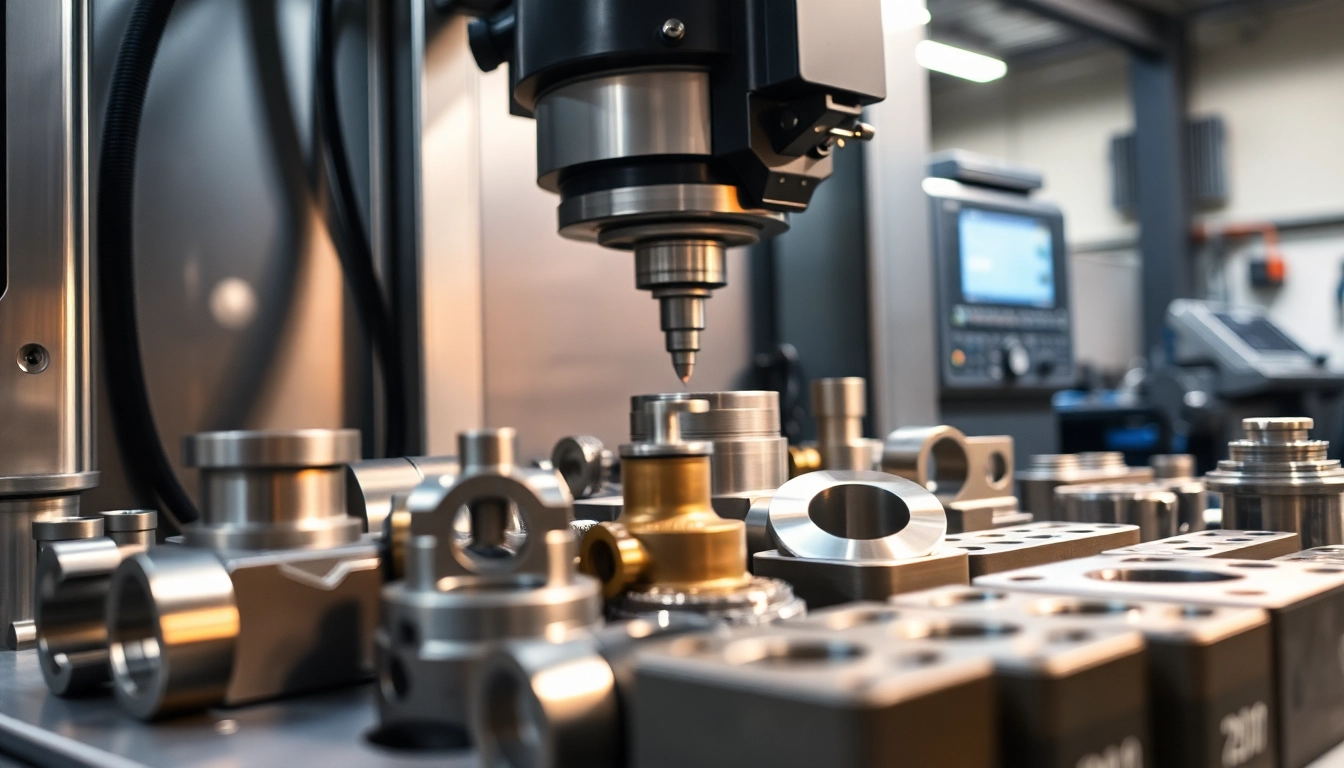
- Machining: Some fabrication shops also possess machining capabilities, which allow them to achieve precise cuts and finishes on fabricated parts.
- Laser Cutting: For projects that demand precision, laser cutting is often utilized. It offers intricate designs and optimal finishes without unnecessary material wastage.
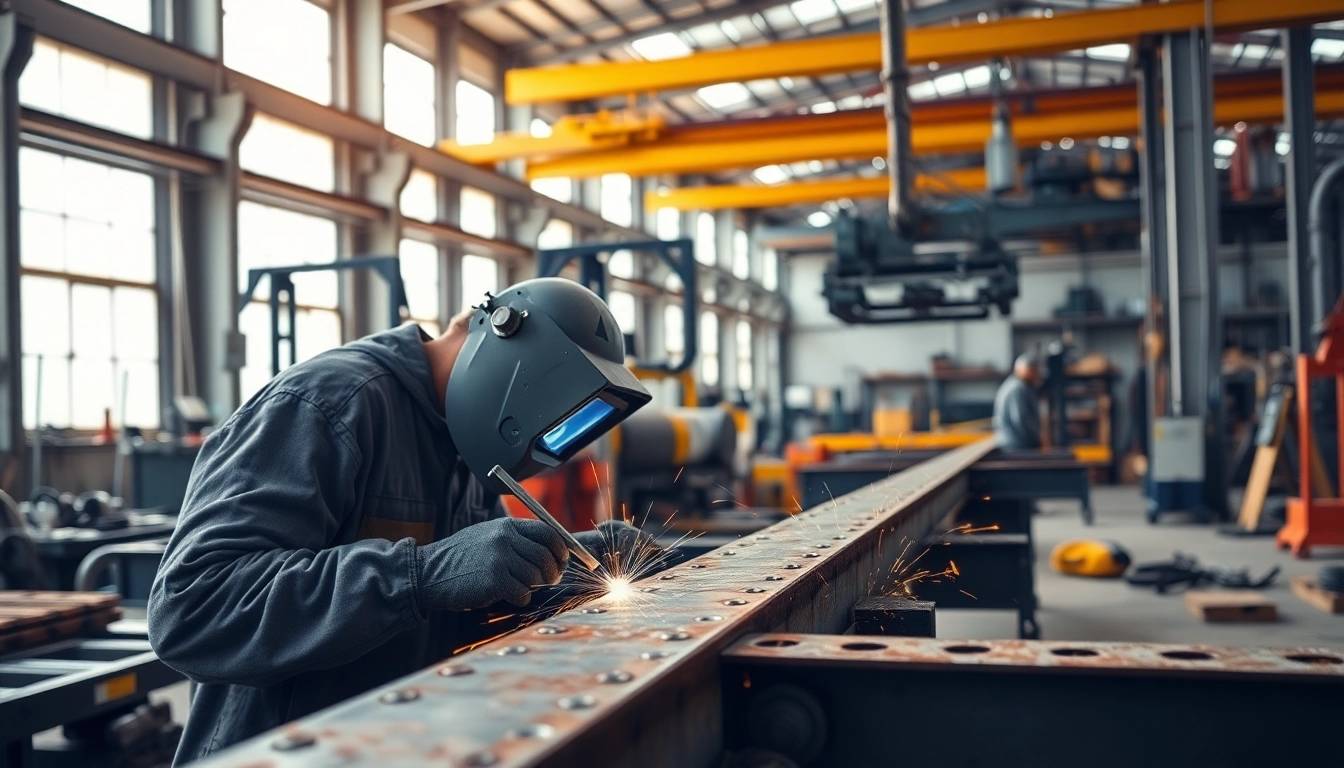
- Welding Services: Many fabrication shops are equipped to perform various welding techniques—MIG, TIG, and stick welding—to join metal parts securely.
Key Techniques in Steel Fabrication
To ensure quality and efficiency in steel fabrications, several key techniques are employed:
- CNC Machining: Computer Numerical Control (CNC) machining allows for high precision in cutting and shaping steel, minimizing human error and increasing efficiency.
- Bending: Bending techniques, such as press brake bending, enable the steel to be shaped into various forms essential for functionality.
- Welding: Different welding methods are essential for creating strong connections between steel components, ensuring structural stability.
- Surface Treatment: Techniques such as galvanization or powder coating protect the steel from corrosion while providing aesthetic finishes.
Importance of Customization in Projects
Customization is vital in the steel fabrication process. Projects vary significantly in scale, scope, and complexity, making tailored solutions a necessity. Customization allows for:
- Meeting Specific Requirements: Every project has different specifications, and a steel fabrication shop that prioritizes customization can accommodate unique designs and standards.
- Maximizing Efficiency: Tailored solutions often result in a more efficient manufacturing process, reducing waste and optimizing performance.
- Aesthetic Considerations: Customized pieces can enhance the visual appeal of a project, supporting brand identity or artistic vision.
Criteria for Selecting a Steel Fabrication Shop
Choosing the right steel fabrication shop can significantly impact the success of your project. Here are critical criteria to consider:
Evaluating Industry Experience and Reputation
Experience and established reputation are vital indicators of a steel fabrication shop’s reliability. A fabricator with years in the industry is likely to understand the complexities of steel work. Research their history, client testimonials, and case studies to gauge their standing in the market. Talk to previous clients to get insights into quality and service levels.
Assessing Facility Capabilities
The capabilities of a fabrication shop's facility can influence your decision. Ensure the shop is equipped with modern machinery and technology, such as CNC machines and welding stations, to handle a range of tasks effectively. Also, consider the shop's size and workforce, as larger projects may require more extensive facilities and skilled labor.
Understanding Pricing Structures and Offers
Budgeting is a critical aspect of any project. Understand the pricing models offered by different fabrication shops. Some may have fixed prices per piece while others might charge by the project or hour. Request detailed quotes outlining materials, labor, and any additional costs to make a comprehensive comparison. Always seek shops that offer transparent pricing with no hidden fees.
Quality Standards in Steel Fabrication
Quality assurance is non-negotiable in steel fabrication. Adhering to certain standards ensures that fabricated products perform as expected and meet regulatory requirements. Understanding these standards can help you select a competent fabricator.
Industry Certifications and Compliance
In the fabrication industry, certifications such as ISO (International Organization for Standardization) and AWS (American Welding Society) signify commitment to quality and safety standards. Verify whether the shop holds relevant certifications, which can serve as a testament to their adherence to industry norms.
Best Practices for Quality Assurance
Effective quality assurance processes should be in place within a reputable fabrication shop. These might include:
- Regular Inspections: Consistent inspections throughout the manufacturing process ensure that any quality issues are addressed promptly.
- Documentation: Keeping thorough records of production can help trace issues back to their origins, streamlining the resolution process.
- Employee Training: Continuous training is crucial to maintain skill levels and knowledge regarding new technologies or processes within the industry.
Feedback and Testing Methods in Production
Obtaining feedback from clients and regularly testing fabricated pieces against industry benchmarks is essential for continuous improvement. Employing third-party testing can also help ensure that the products meet or exceed performance standards.
Impact of Technology on Steel Fabrication
The evolution of technology has transformed the steel fabrication industry, enhancing capabilities, efficiency, and precision. Staying updated on technological advancements is imperative for shops and clients alike.
Innovative Technologies in Modern Fabrication
Modern steel fabrication shops employ innovative technologies that streamline operations. Some emerging technologies include:
- 3D Printing: Utilized for prototyping and creating complex designs, 3D printing can greatly accelerate the design and testing phase.
- Robotics: Robotic arms are being increasingly integrated for repetitive tasks, improving precision and reducing human error.
- Software Solutions: Advanced software for design and project management can significantly improve workflow and communication throughout the project lifecycle.
Benefits of Automation in Steel Fabrication Shop
Automation brings numerous benefits to fabrication shops:
- Increased Productivity: Automating repetitive processes allows for more output in less time.
- Enhanced Precision: Machines can replicate cuts and shapes with unmatched accuracy.
- Costs Savings: Over time, automation can reduce costs associated with labor and materials due to increased efficiencies.
Future Trends to Watch in the Industry
The steel fabrication industry is set to evolve with trends such as increased use of AI and machine learning for predictive analytics, improved safety protocols through advanced monitoring technologies, and greater focus on sustainability practices in processes and materials used.
Sustainability in Steel Fabrication
As awareness around environmental issues grows, sustainability has become a crucial concern for steel fabrication shops. Adopting eco-friendly practices can enhance both corporate responsibility and operational efficiency.
Eco-Friendly Practices in the Steel Industry
Many fabrication shops are integrating eco-friendly practices, such as:
- Energy-Efficient Processes: Implementing energy conservation measures can significantly reduce the carbon footprint of fabrication activities.
- Sustainable Materials: Opting for recycled or sustainably sourced materials helps reduce environmental impact.
- Reduced Waste: Implementing practices to minimize scrap and ensure efficient use of resources can contribute to overall sustainability.
Recycling and Waste Management Solutions
Effective waste management strategies are crucial for minimizing the environmental impact of metal fabrication. Steel can be recycled repeatedly without losing quality, making recycling initiatives vital for both economic and environmental sustainability. Establishing recycling protocols within the fabrication shop can also help in managing scrap generated during production.
Long-Term Sustainability Goals for Fabrication Shops
Setting clear sustainability goals can guide fabrication shops towards more responsible operations. Goals might include:
- Implementing Circular Economy Practices: Encouraging the reuse and recycling of materials.
- Investing in Cleaner Technology: Upgrading equipment to eco-friendlier models can contribute to long-term sustainability without compromising efficiency.
- Community Engagement: Engaging with local community initiatives reinforces a commitment to sustainability and responsible operations.