What Causes Carbon Monoxide Detector Beeping?
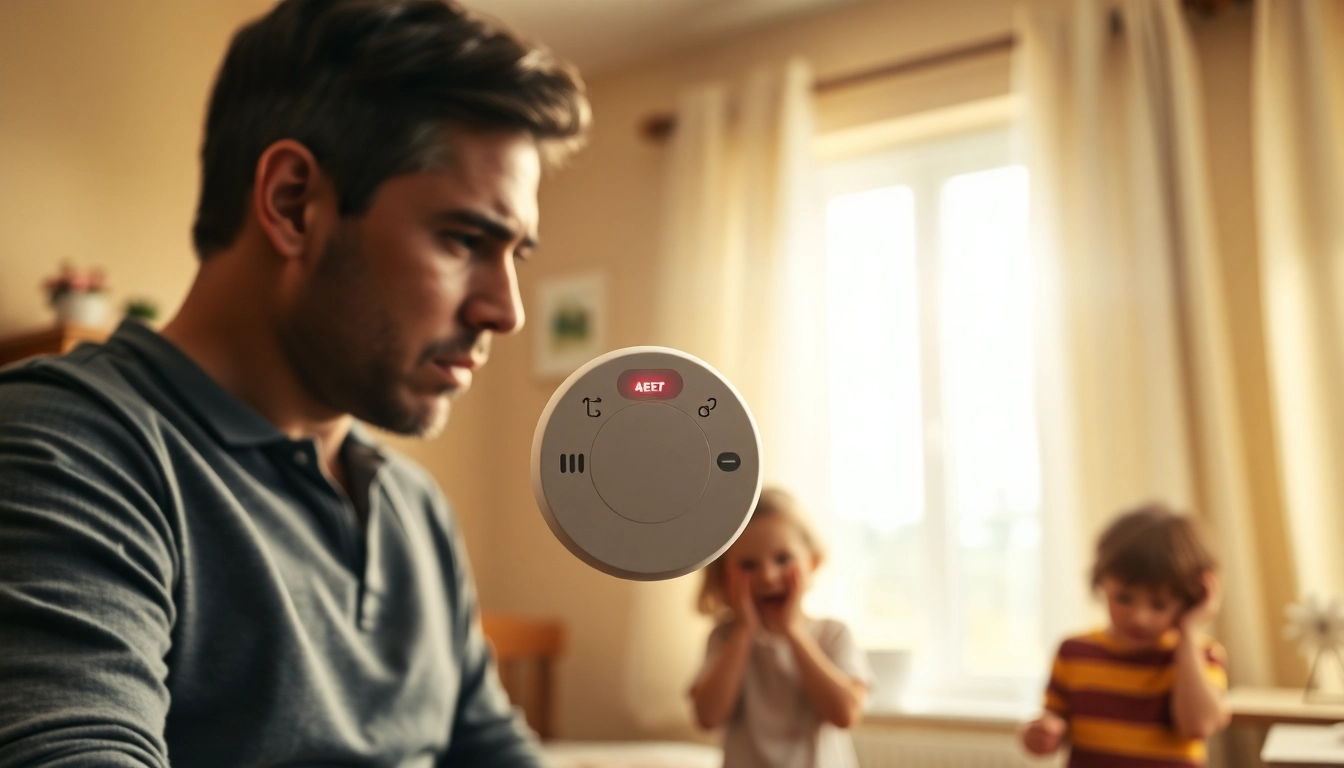
Carbon monoxide detectors are essential devices that help keep homes safe from the dangers of carbon monoxide (CO) poisoning. The beeping sound they emit is often alarming, serving as a warning signal that something isn't right. Understanding the various causes of carbon monoxide detector beeping is crucial for homeowner safety. This section will explore the most common triggers, malfunctioning devices, and battery issues that may lead to these alerts.
Common Triggers
One of the primary reasons your carbon monoxide detector is beeping is that it has detected carbon monoxide in your home. This can occur due to several reasons, including:
- Faulty Appliances: Appliances such as gas stoves, water heaters, and fireplaces can produce CO if they are not functioning properly or are poorly ventilated.
- Vehicle Exhaust: Running a vehicle in an attached garage, even with the door open, can lead to CO buildup in the home.
- Blocked Ventilation: Any obstruction in ventilation systems—such as blocked chimneys or flues—can lead to the accumulation of carbon monoxide indoors.
Battery Issues
Carbon monoxide detectors often beep to signal low battery levels. It's imperative to ensure your detector's batteries are functioning correctly to avoid false alarms. Common battery-related causes of beeping include:
- Low Battery: If the battery is running low, the detector will beep intermittently, alerting you to replace or recharge the battery without delay.
- Battery Malfunctions: A defective battery can also trigger beeping; in these cases, replacing it with a new, high-quality battery is advisable.
Device Malfunctions
Aside from battery issues, the detector itself may be malfunctioning. Factors that could cause device malfunctions include:
- Aging Detectors: Like any electronic device, carbon monoxide detectors have a limited lifespan. An older unit may beep as part of an internal alert system.
- Environmental Factors: High humidity, excessive dust, or extreme temperatures can interfere with the operation of the detector, resulting in false alarms.
How to Respond to Carbon Monoxide Detector Alerts
When your carbon monoxide detector beeps, it’s essential to take immediate action. The response plan should include evaluating the level of threat and ensuring the safety of all individuals in the home.
Immediate Actions to Take
In the event your detector emits a beep, follow these steps:
- Leave the Premises: Evacuate everyone from the home to reduce exposure to potential carbon monoxide.
- Call Emergency Services: Once you are outside and in a safe location, call for emergency assistance to investigate and resolve the source of the issue.
- Do Not Re-Enter: Do not go back inside until it has been confirmed by professionals that it is safe to do so.
Identifying Safe Spaces
While outdoors, it's crucial to find a safe space away from the building. Ideal locations include:
- A neighbor’s home or public space that maintains proper ventilation.
- Open areas where the wind can disperse any potential carbon monoxide.
Contacting Professionals
Following an evacuation, you should contact emergency services or a CO specialist to conduct an inspection. They will be able to determine whether the alarm was triggered by actual carbon monoxide presence or if it was a malfunction.
Best Practices for Carbon Monoxide Detector Maintenance
To ensure that your detector functions correctly, regular maintenance is vital. This section explains best practices for upkeep and ensuring effective operation of your devices.
Regular Testing
It’s essential to test your carbon monoxide detectors regularly—ideally once a month—to ensure they are functioning properly. This quick check only takes a few minutes and can significantly enhance your safety.
Battery Replacement Schedule
Establishing a battery replacement schedule, at least once every six months, can prevent unexpected beeping due to low battery power. Consider synchronizing this task with daylight saving time changes to make it easy to remember.
Placement and Installation Guidelines
Installing your detectors in the right locations is critical for effectiveness. Key installation tips include:
- Install detectors on every level of your home, particularly near sleeping areas.
- Follow manufacturer instructions regarding height and distance from fuel-burning appliances.
- Avoid placing detectors near windows or doors where air currents can interfere with operation.
Understanding Carbon Monoxide Risks in Your Home
Being proactive about understanding carbon monoxide risks is essential. This section discusses symptoms of exposure, identifying high-risk areas in your home, and preventative measures you can implement.
Symptoms of Carbon Monoxide Poisoning
Recognizing the symptoms of carbon monoxide poisoning is crucial. Early signs can include:
- Headaches
- Dizziness
- Confusion
- Nausea or vomiting
- Shortness of breath
If these symptoms occur while you are indoors and cease upon leaving, seek medical attention promptly.
High-Risk Areas in Homes
Identifying areas with higher risks of carbon monoxide accumulation can help in preventing emergencies. Common high-risk zones include:
- Garages, especially attached garages, where vehicle exhaust may seep indoors.
- Basements or poorly ventilated spaces where appliances that burn fuel may be located.
- Nooks where ventilation is restricted, such as around faulty heaters.
Preventative Measures to Take
Taking proactive steps can significantly reduce the risk of carbon monoxide exposure:
- Ensure that all fuel-burning appliances are properly installed and regularly serviced.
- Avoid idling vehicles in enclosed spaces.
- Maintain clear air vents and ducts to allow for proper ventilation.
When to Replace Your Carbon Monoxide Detector
Knowing when to replace carbon monoxide detectors can be the difference between safety and danger. Recognizing signs of aging and understanding industry recommendations for replacements is crucial.
Signs of Aging Detectors
If your detector is more than five to seven years old, consider replacing it even if it appears to be functioning correctly. Other signs include:
- Continuous chirping or beeping despite battery replacement.
- Physical damage or corrosion on the unit.
- Expert recommendation based on service company inspection.
Industry Recommendations
Many manufacturers recommend replacing detectors every five to seven years. Following these guidelines can ensure optimal performance and safety. Always consult your device’s manual for specific recommendations on lifespan and replacement timing.
Choosing the Right Replacement Device
When it's time for a replacement, choose a high-quality carbon monoxide detector that meets safety standards. Look for features such as:
- Digital displays to easily read CO levels.
- Battery backup in case of power outages.
- Combination units that also detect smoke.
In conclusion, carbon monoxide detector beeping should never be ignored. Understanding the causes, knowing how to respond, and being vigilant about maintenance can significantly improve safety for you and your loved ones. Following the best practices outlined in this article will empower you to manage and mitigate the risks associated with carbon monoxide safely.