Understanding Structural Steel Welding
What is Structural Steel Welding?
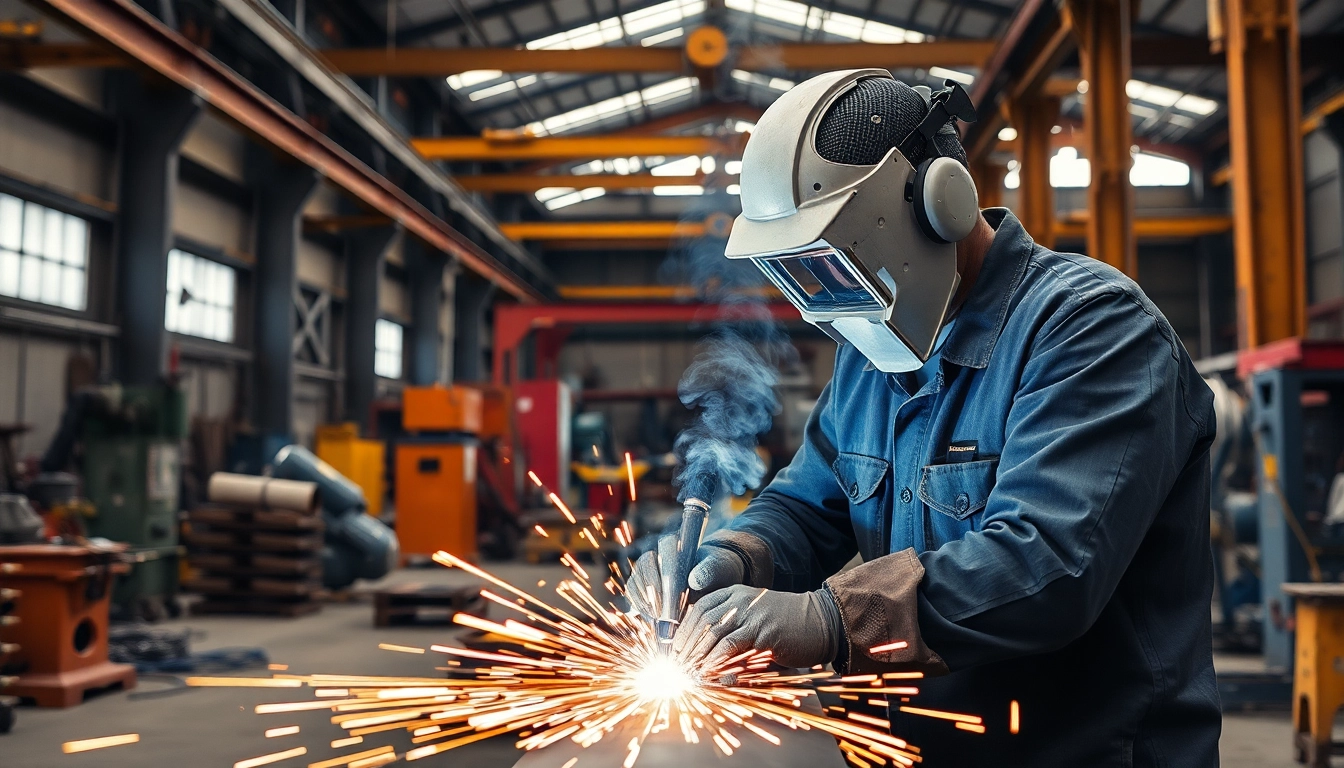
Structural steel welding is a specialized procedure that involves the joining of steel components to create structures capable of supporting significant loads. This method is fundamental in various industries, from construction to manufacturing. The strength and durability of welded joints make them essential for the integrity of frameworks like buildings, bridges, and industrial facilities. Utilizing different welding techniques ensures that the connections are robust, capable of withstanding environmental stresses, and compliant with industry standards.
Application of Structural Steel Welding
The applications of structural steel welding are extensive. Primarily, it is used in the construction of large infrastructures such as skyscrapers, bridges, and stadiums. The automotive industry also employs this technique to assemble frames and body panels. Beyond these, structural steel welding finds use in manufacturing heavy machinery, equipment, and even in naval architecture for shipbuilding. By leveraging structural steel welding, industries ensure that their projects meet functional requirements while adhering to safety and quality standards.
Types of Welding Processes
Several welding processes cater to different requirements in structural steel welding. The most common types include:
- Mig Welding: An approachable method using a continuous wire feed, ideal for thin materials.
- Tig Welding: A precise technique utilizing a non-consumable tungsten electrode, mainly used for high-quality joints.
- Stick Welding: Highly versatile and portable, it uses a consumable electrode coated in flux.
- Flux-Cored Arc Welding: Particularly effective for outdoor applications as it offers better protection against winds.
Choosing the appropriate method depends on factors such as material thickness, the environmental setting, and specific project requirements.
Key Techniques in Structural Steel Welding
Preparation for Welding Projects
The success of structural steel welding begins with meticulous preparation. Key steps include cleaning the surfaces to be welded, ensuring they are free of contaminants such as rust, grease, and paint. Additionally, fitting the pieces accurately is crucial; misalignment can lead to weak joints and miscalculations during weight-bearing tests. Lastly, understanding the welding method to be employed and preparing the work environment further ensures an efficient execution of the welding process.
Essential Tools and Equipment
Equipping a welding workspace with the right tools is vital for effective structural steel welding. Essential tools include:
- Welding Machine: Specific to the chosen process (MIG, TIG, etc.) for optimal performance.
- Electrodes and Filler Materials: Selected based on the material being welded and the desired strength.
- Welding Helmet and Protective Clothing: Safety gear to protect against sparks, UV radiation, and heat.
- Clamps and Fixtures: For securing components in the correct position during welding.
Having quality tools not only enhances productivity but also significantly reduces risks and defects.
Safety Protocols for Welders
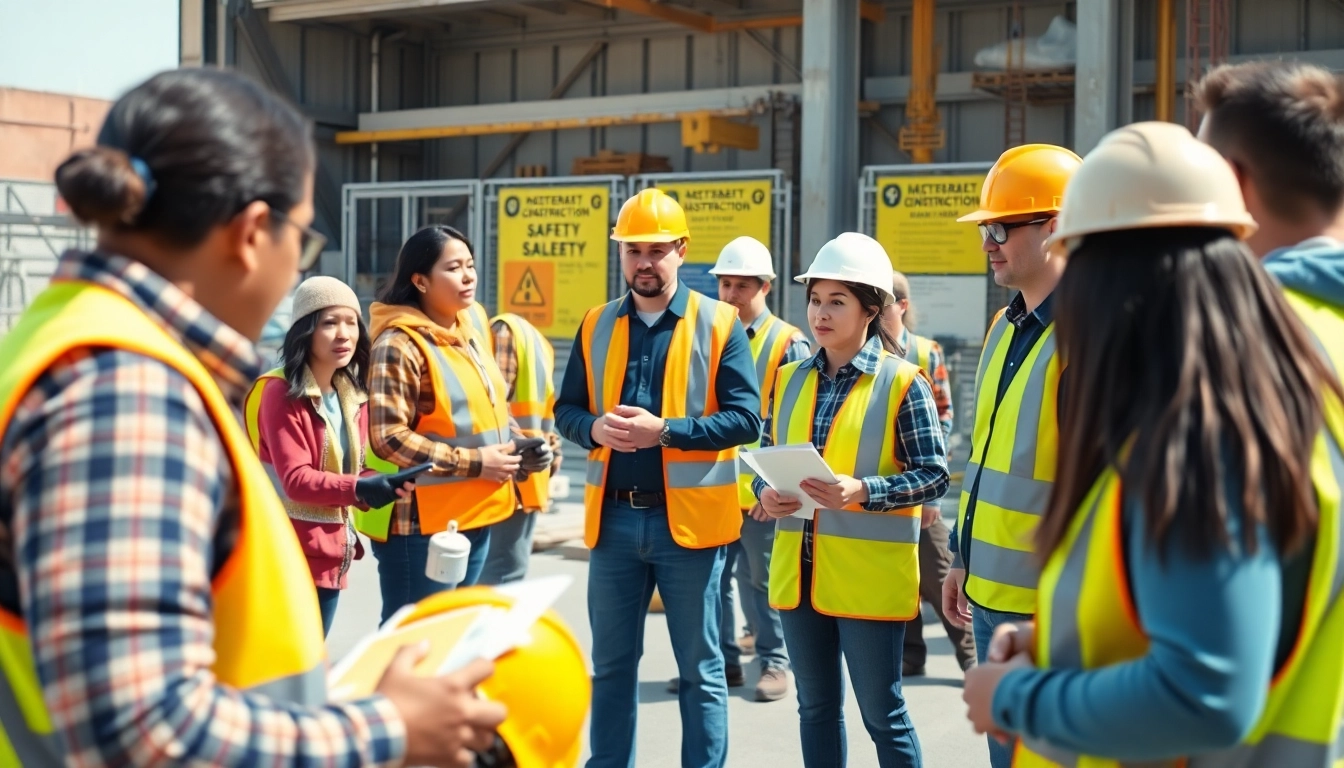
Welding can pose various hazards, necessitating strict adherence to safety protocols. These include:
- Wearing appropriate personal protective equipment (PPE) like gloves, helmets, and flame-retardant clothing.
- Ensuring proper ventilation in the workspace to minimize inhalation of harmful fumes.
- Implementing fire safety measures like available extinguishers and maintaining a clutter-free workspace.
- Receiving proper training and recognizing hazards related to specific materials and techniques.
Such precautions significantly mitigate risks and foster a safer working environment for welders.
Best Practices for Effective Welding
Assessing Metal Quality
Before commencing any welding project, evaluating the quality of the materials is critical. Key factors to assess include the composition of the steel, its thickness, and potential imperfections like rust or cracks. This assessment informs the choice of welding technique and filler material, ensuring a reliable final product. A thorough inspection can prevent complications down the line, such as weld failures or structural inconsistencies.
Choosing the Right Filler Material
The selection of the appropriate filler material is essential for achieving strong welds. Filler metals should match the composition of the base metals being joined. Considerations should include how the filler metal will behave during the welding process, its mechanical properties, and its compatibility with the base material. Ensuring a proper match contributes to the overall strength and durability of the welded joint.
Post-Welding Inspection Methods
After welding, thorough inspection methods are necessary to confirm joint integrity and identify defects. Common methods include:
- Visual Inspection: Checking for surface defects like cracks, porosity, or improper bead formation.
- Non-Destructive Testing (NDT): Techniques such as ultrasonic testing or magnetic particle inspection ensure that any underlying issues are detected without damaging the weld.
- Destructive Testing: Occasionally employed to assess tensile strength and toughness, although it sacrifices the welded joint.
Implementing a robust inspection process is paramount in maintaining structural integrity and safety post-welding.
Challenges in Structural Steel Welding
Common Issues and Solutions
Welding can encounter various challenges that need proactive solutions. Common issues include warping due to heat distortion, which can alter the alignment of structures. Effective methods to address this include pre-heating the steel or applying post-weld heat treatments to relieve stresses. Another challenge is controlling the quality of welds; employing trained personnel and automated inspections can help ensure consistency and reliability in quality.
Welding Defects: Identification and Resolution
Identifying and resolving welding defects is crucial for maintaining structural integrity. Common defects include:
- Porosity: Trapped gas pockets that can weaken welds. Solutions include controlling the welding environment and pre-heating materials.
- Undercutting: A groove that develops at the edge of the weld, often due to excessive heat. Adjusting welding speed and techniques can minimize this.
- Incompleteness: Occurs when the weld doesn’t penetrate sufficiently. Using the correct parameters and careful technique can help rectify this.
Regular training and using appropriate procedures can help mitigate these issues effectively.
Maintaining Equipment
Regular maintenance of welding equipment is essential to guarantee consistent performance and safety. Regular checks should include:
- Inspecting welding cables and connectors for wear and tear.
- Cleaning and checking the condition of welding tips.
- Verifying gas supply systems for leaks or blockages.
- Servicing welding machines according to manufacturer recommendations.
Following a proper maintenance schedule reduces downtime and contributes to the longevity of welding equipment.
Future Trends in Structural Steel Welding
Technological Advancements
The future of structural steel welding is poised for significant advancements through technology. Automation and robotic welding are becoming increasingly prevalent, enhancing precision and efficiency while reducing operational costs. Furthermore, advanced simulations and predictive analytics are enabling engineers to anticipate and design for various welding outcomes, ultimately improving facility safety and performance.
Innovative Welding Techniques
Innovative techniques are emerging to push the boundaries of traditional welding practices. These include friction stir welding, which is ideal for joining thicker materials without melting, and laser welding, providing superior accuracy and reduced heat distortion. These advancements not only improve the quality of welds but also open avenues for new applications in challenging environments.
Training and Skill Development for Welders
As techniques and technologies evolve, so too must the training and skills of welders. Continuous education focused on modern methods, equipment handling, and safety practices is essential. Online training platforms, workshops, and hands-on experiences contribute to fostering a highly skilled workforce capable of tackling contemporary welding challenges and embracing innovations with confidence.
Frequently Asked Questions
What is structural steel welding?
It is a specialized process of joining structural steel components using various welding techniques, ensuring strong and durable connections.
What safety measures should I take while welding?
Always wear appropriate PPE like gloves and helmets, ensure proper ventilation, and follow safety protocols to minimize risks.
How can I improve my welding skills?
Practice regularly, seek feedback from experienced welders, and consider taking specialized courses to enhance your techniques.
What common defects occur in structural steel welding?
Common defects include porosity, undercutting, and incomplete penetration, which can compromise the weld’s strength.
What future trends should welders be aware of?
Trends include automation in welding, advanced materials, and smart technology integration to improve efficiency and precision.