
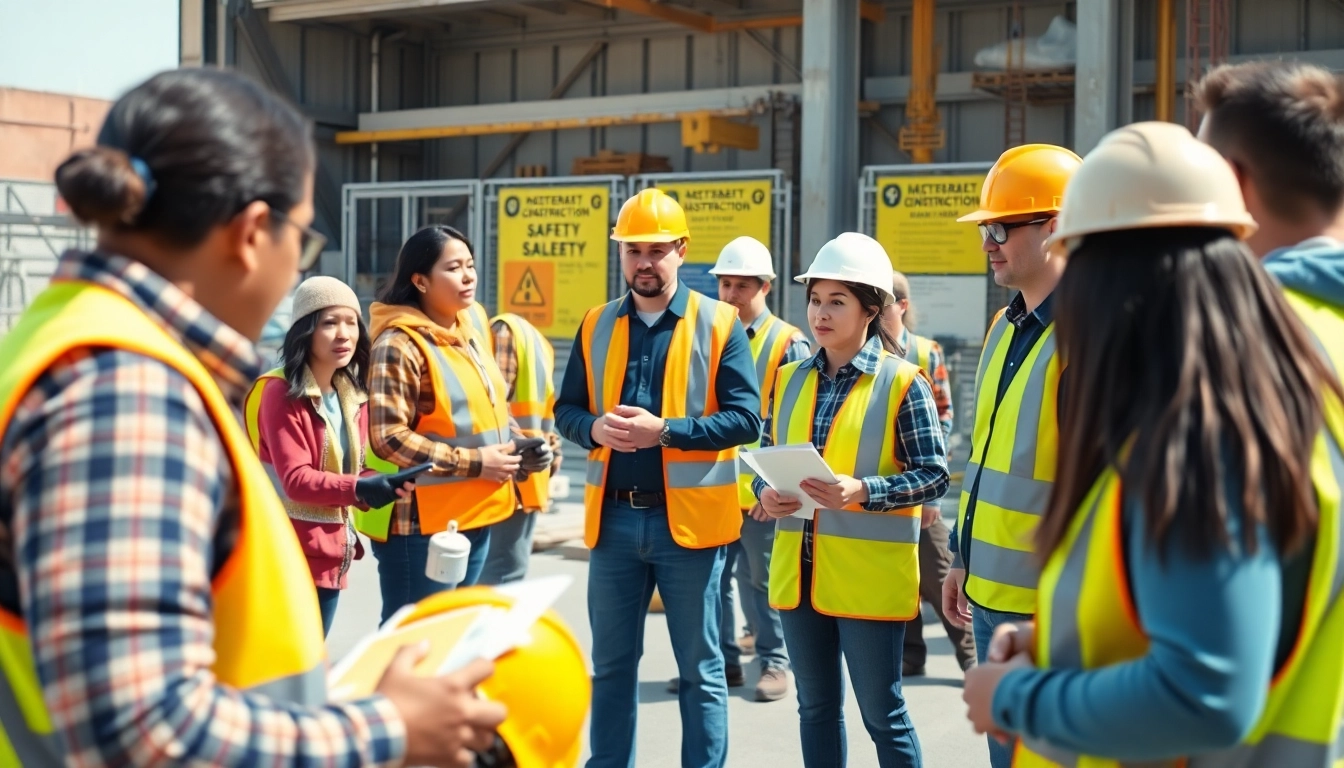
Understanding Construction Safety Training
In the construction industry, ensuring the safety of workers is paramount. Construction safety training equips workers with the necessary knowledge and skills to navigate hazards and prevent accidents. This comprehensive guide delves into the importance of construction safety training, the key components of effective programs, and the regulatory standards that govern these initiatives.
Importance of Construction Safety Training
The significance of construction safety training cannot be overstated. Its primary goal is to minimize accidents and injuries on construction sites, making it a critical component of workplace safety. A well-implemented safety training program fosters a culture of safety, where employees are more aware of their surroundings and prepared to act in emergencies. Additionally, it leads to a reduction in insurance costs and potential litigation, protecting both the workers and the employers.
Key Components of Effective Training
Effective construction safety training encompasses several key components:
- Hazard Recognition: Training should enable workers to identify potential hazards specific to their work environment, including physical, chemical, and ergonomic risks.
- Use of Personal Protective Equipment (PPE): Workers must learn about the correct use of PPE, its importance in minimizing exposure to hazards, and how to maintain it.
- Emergency Procedures: Training should cover how to respond in emergencies, including evacuation plans, first aid, and reporting procedures.
- Safe Equipment Operation: Operators need training on the proper use of machinery and tools to prevent accidents stemming from misuse or lack of knowledge.
Regulatory Standards and Compliance
Numerous regulations govern construction safety training, primarily set by OSHA (Occupational Safety and Health Administration). Compliance with these regulations is not just necessary to avoid penalties but also crucial for promoting a safe working environment. Understanding the requirements laid out by OSHA helps organizations tailor their training programs to meet legislative standards, ensuring a baseline level of safety for all employees.
Implementing Construction Safety Training Programs
The successful implementation of construction safety training programs involves various strategic steps to ensure effectiveness and accuracy in addressing workplace hazards.
Assessing Training Needs
Before launching a training program, it’s vital to assess the specific needs of the workforce. This includes identifying common hazards in the workplace and recognizing the experience levels of employees. Tailoring training to address these factors can enhance its relevance and effectiveness. Regular risk assessments, worker surveys, and reviewing historical incident data are practical ways to gather this information.
Choosing the Right Training Providers
Selecting the right training provider greatly impacts the quality of education employees receive. Organizations should look for providers with recognized credentials, experience in the construction industry, and a strong track record in safety training. It’s beneficial to evaluate their course offerings, training methodologies, and feedback from past participants. Additionally, some organizations may find it advantageous to develop in-house training capabilities to ensure consistency and relevance.
Measuring Training Effectiveness
Once a training program has been implemented, measuring its effectiveness is crucial to continuous improvement. Employers can assess the success of training programs through various methods, including:
- Post-Training Assessments: Administer tests immediately following training to evaluate knowledge retention.
- Incident Reports: Analyze workplace incidents before and after training to assess reduction in accidents.
- Feedback Surveys: Solicit participant feedback to understand training perceptions and areas for improvement.
- Observation: Supervisors can observe changes in safety behavior on the job site to evaluate training impact.
Innovative Approaches to Construction Safety Training
As the construction landscape evolves, innovation in training methods becomes essential. Leveraging new technologies and creative educational approaches can greatly enhance safety training effectiveness.
Utilizing Technology in Training
Technology plays a transformative role in modern training programs. Methods such as e-learning platforms, mobile apps, and online simulations offer flexibility and scalability in training delivery. Virtual reality (VR) is particularly useful for providing immersive experiences where workers can practice safety protocols in a controlled environment without real-world risks.
Interactive Learning Strategies
Interactive learning engages participants more than traditional lecture formats. Methods such as group discussions, hands-on demonstrations, and scenario-based training allow workers to apply their knowledge practically. Utilizing role-playing exercises, for instance, can help workers better understand their responsibilities in emergency situations, fostering deeper learning outcomes.
Case Studies from the Field
Implementing lessons learned from case studies can illuminate the effectiveness of specific training approaches. Analyzing successful training programs from other organizations or exploring real-world incident case studies allows companies to adapt proven strategies to their training needs. Documenting such adaptations and outcomes can also provide valuable insights when presenting to stakeholders.
Common Challenges in Construction Safety Training
Despite the benefits, there are various challenges associated with construction safety training that organizations must navigate.
Overcoming Resistance to Training
Employee resistance to safety training can stem from a variety of factors, including perceived irrelevance or lack of time. Overcoming this resistance involves communicating the importance and relevance of training to each employee’s role. Involving workers in the training design process can lead to higher engagement and acceptance, as they feel their input is valued.
Addressing Knowledge Gaps
All employees come with different knowledge levels concerning safety practices. Implementing a prerequisite assessment can help identify these gaps before training commences. Tailoring training content based on skill levels and ensuring essential information is not assumed can bridge these gaps effectively. Offering ongoing training opportunities ensures that knowledge remains updated and relevant.
Continuous Learning and Improvement
Construction safety training should not be a one-time event but rather a continuous endeavor. Regularly updating training materials to reflect the latest regulations, technological advancements, and emerging hazards is vital. Encouraging a culture of continuous improvement promotes ongoing safety education and awareness, ultimately enhancing workplace safety standards.
Future Trends in Construction Safety Training
Construction safety training is poised to evolve significantly over the coming years, driven by advancements in technology and changing workplace dynamics.
Focus on Mental Health and Wellbeing
Recognizing that mental health plays a crucial role in safety, future training programs are likely to integrate mental health awareness into their curricula. Training that addresses the psychological factors influencing safety behavior can lead to improved overall well-being and a more alert workforce.
The Rise of Virtual Reality Training
As technology progresses, the use of virtual reality in safety training will become more prevalent. VR provides a risk-free environment for workers to experience hazardous situations and practice appropriate responses, bridging the gap between theoretical knowledge and real-world application.
Advancements in Training Delivery Methods
New training delivery methods, including micro-learning (short bursts of training content) and just-in-time training (on-demand training based on immediate needs), will transform how companies approach safety education. These advancements can enhance retention and allow workers to focus on specific skills relevant to their roles as they arise.
FAQs
What are the key benefits of construction safety training?
Construction safety training helps reduce workplace accidents, ensures compliance with regulations, and promotes a culture of safety, improving overall employee morale.
How often should construction safety training be conducted?
Training should be conducted regularly, typically annually, with additional sessions when new equipment or procedures are implemented to keep knowledge current.
What are common topics covered in construction safety training?
Common topics include fall protection, equipment safety, hazard communication, and emergency response procedures, tailored to specific job site needs.
Can online training be effective for construction safety?
Yes, online training can be effective, particularly when supplemented with hands-on practical training to reinforce theories learned in a digital format.
How can I measure the effectiveness of safety training?
Effectiveness can be measured using assessments, monitoring incident reports, and gathering feedback from participants to gauge learning and behavior changes.