
What is a Warehouse? Definition and Purpose
Basic Definition of a Warehouse
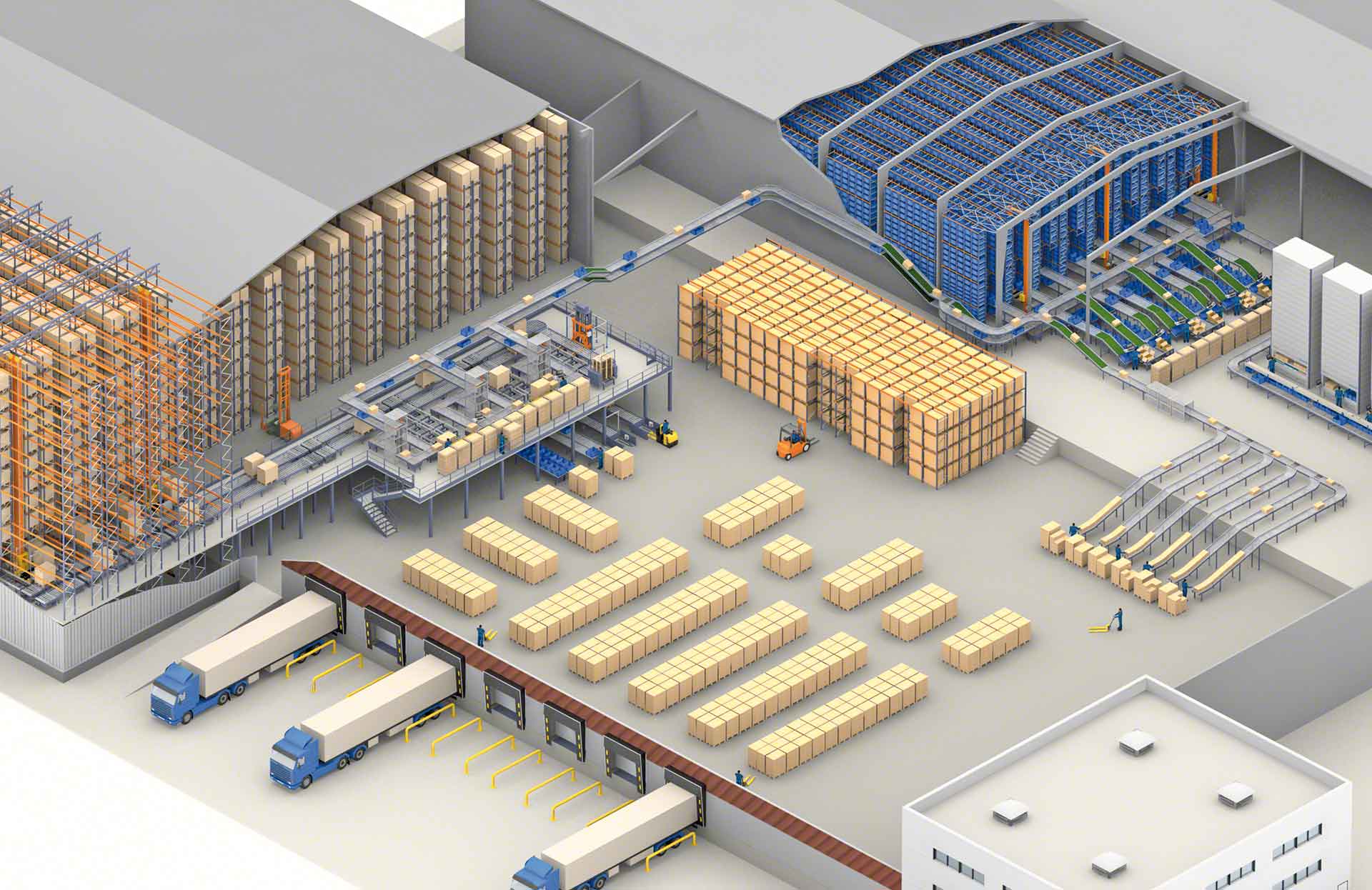
A warehouse is a substantial building used for storing goods, products, and materials. Its primary role is to bridge the gap between production and consumption, ensuring that goods are adequately stored until they are needed. In essence, a warehouse acts as a central hub within a supply chain, playing a crucial role in logistics and distribution. According to the Warehouse definition, it serves multiple purposes from storage to distribution and inventory management.
Types of Warehouses and Their Functions
Warehouses can be categorized into various types based on their functions and operations:
- Private Warehouses: Owned by companies for their own logistic purposes, they provide customized storage solutions.
- Public Warehouses: Open to any business that needs storage, they’re typically operated as a for-profit service providing short-term space.
- Distribution Centers: Specialized warehouses designed for the quick transfer of goods and inventory to stores or directly to consumers, significantly enhancing supply chain speed.
- Fulfillment Centers: Primarily used by e-commerce businesses, these warehouses focus on order processing, picking, packing, and shipping products directly to customers quickly.
- Cold Storage Warehouses: These temperature-controlled facilities are essential for the storage of perishable products like food and pharmaceuticals.
Importance of Warehouses in Supply Chain Management
The significance of warehouses in supply chain management cannot be overstated. They provide a buffer against demand fluctuations, allowing businesses to manage inventory levels efficiently. Warehouses enable fast and agile responses to market changes, enhancing customer satisfaction through timely product availability. Additionally, a well-operated warehouse can lead to increased cost efficiency and scalability, essential for growing businesses.
Warehouse Design Fundamentals
Key Elements of Warehouse Layout and Flow
The layout of a warehouse is a critical factor that influences operations and efficiency. Key elements include:
- Receiving Area: The first point of contact for incoming goods, where items are checked and sorted.
- Storage Space: Areas designed to hold products, which can be racking systems, shelves, or bulk storage zones.
- Picking Zone: Specific locations where items are retrieved for orders, often organized for optimal efficiency.
- Shipping Area: The section dedicated to packing and dispatching products for delivery.
Configuring these areas strategically can significantly affect warehouse operations and flow, impacting productivity and reducing costs.
Warehouse Space Utilization Strategies
Maximizing space utilization is paramount in warehouse management. Here are some effective strategies:
- Vertical Storage: Utilizing vertical space by installing taller shelving and racking systems can dramatically increase storage capacity without expanding the warehouse footprint.
- Dynamic Slotting: Organizing inventory based on actual picking patterns and sales data to reduce the distance traveled during picking operations.
- Cross-Docking: Streamlining shipments by directly transferring incoming items to an outgoing truck, minimizing storage time.
Incorporating Technology in Warehouse Design
The integration of technology in warehouse design is transforming operations. Implementing Warehouse Management Systems (WMS) can enhance tracking and inventory management, while Automated Guided Vehicles (AGVs) and robotics streamline picking and sorting activities. Additionally, adopting IoT devices allows for real-time data collection, improving decision-making and efficiency.
Warehouse Operations and Management
Essential Warehouse Processes and Workflows
Understanding essential warehouse processes is critical for optimizing operations. Key workflows include:
- Receiving: Involves accepting goods, performing quality checks, and logging them into the inventory system.
- Inventory Management: Encompasses tracking stock levels, reordering supplies, and managing shelf life in the case of perishables.
- Order Fulfillment: The process of picking, packing, and sending products to customers, which is crucial for customer satisfaction.
Inventory Management Techniques
Effective inventory management techniques can significantly enhance a warehouse’s operational efficiency:
- Just-in-Time (JIT): This strategy minimizes holding costs by ordering inventory as it is needed.
- Batch Tracking: Useful for managing expiration dates for perishable goods by grouping similar items together.
- ABC Analysis: Categorizing inventory based on value and turnover rate helps prioritize management focus.
Quality Control in Warehouse Operations
Implementing robust quality control mechanisms ensures that the right products are delivered to customers. Regular audits, systematic checks during receiving, and clear labeling systems contribute to maintaining high-quality standards. Employee training is also vital to minimize errors and ensure compliance with safety regulations.
Common Challenges in Warehouse Management
Overcoming Labor Issues in Warehousing
Labor issues, including high turnover rates and workforce shortages, are common in warehousing. To combat this, companies can offer competitive wages, invest in training programs, and create a positive work environment. Implementing automation can also reduce reliance on manual labor, making operations more efficient.
Dealing with Inventory Shortages and Surpluses
Inventory shortages can lead to lost sales, while excess inventory can tie up capital. Forecasting demand accurately and employing flexible inventory strategies are effective ways to balance inventory levels. Utilizing data analytics to identify trends can enhance forecasting accuracy and reduce the risks of shortages and surpluses.
Managing Warehouse Safety and Compliance
Ensuring safety in warehouse environments is paramount. Regular safety training, adherence to Occupational Safety and Health Administration (OSHA) regulations, and proper maintenance of equipment and infrastructure are crucial. Implementing safety audits and creating a culture of safety among employees can significantly reduce the risk of accidents.
Future Trends in Warehousing
Impact of Automation on Warehouse Operations
The future of warehousing is increasingly influenced by automation. Technologies such as robotics for picking and packing, automated storage and retrieval systems (ASRS), and artificial intelligence integration for decision-making processes are streamlining operations and improving efficiency. The investment in automation is expected to surge, making it an essential component of modern warehousing.
Green Warehousing Practices
As sustainability becomes a priority, green warehousing practices are gaining traction. Strategies like using energy-efficient technologies, optimizing transportation routes to reduce carbon footprints, and implementing recycling programs for packing materials are being adopted by many businesses. Committing to these practices not only meets regulatory requirements but also enhances brand reputation among environmentally conscious consumers.
The Role of E-commerce in Shaping Warehouse Needs
The rise of e-commerce has dramatically influenced warehouse design and operations. With customers expecting rapid delivery times, warehouses are being adapted for quicker fulfillment processes. This shift has led to an increase in demand for fulfillment centers that are strategically located to minimize shipping times and costs. The integration of omni-channel strategies is also becoming essential, allowing businesses to fulfill orders from multiple sources to meet consumer expectations.