
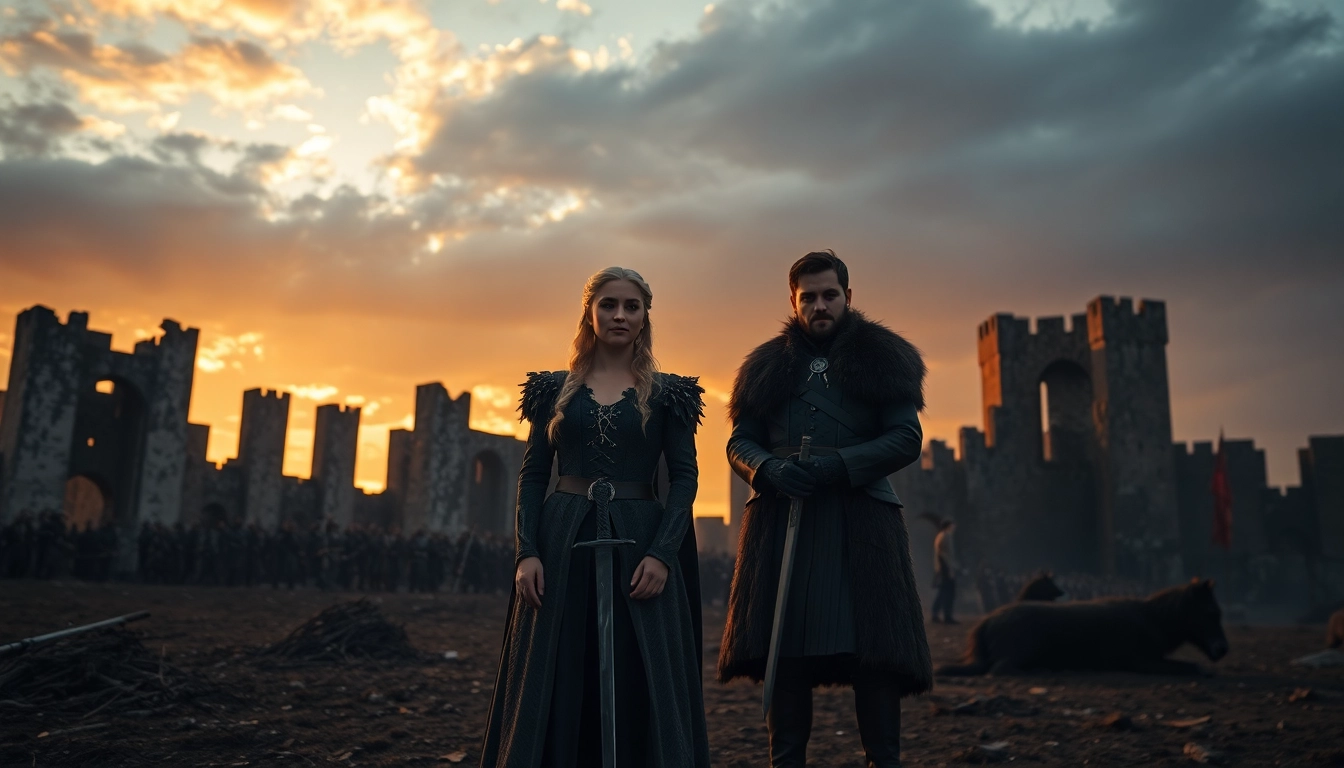
Introduction to the Game of Thrones Cast
The game of thrones cast has been a focal point of discussion since the series debuted in 2011. Based on George R.R. Martin’s epic novels, “A Song of Ice and Fire,” the show captivated audiences with its intricate storylines and memorable characters. The cast, which includes a mixture of established actors and rising stars, brought these richly developed characters to life, creating a cultural phenomenon that transcended television.
Overview of Main Characters
The series features a diverse ensemble cast, each member contributing significantly to its success. The main characters include the honorable Jon Snow, the resilient Daenerys Targaryen, the cunning Tyrion Lannister, and the fierce Cersei Lannister, among others. Each actor’s performance has received acclaim, helping to forge the iconic status of their characters while deeply engaging the audience.
Jon Snow, portrayed by Kit Harington, embodies the virtues of honor and bravery, while Emilia Clarke’s Daenerys Targaryen represents the complexities of leadership and ambition. Peter Dinklage’s interpretation of Tyrion showcases wit and intelligence uniquely, and Lena Headey’s Cersei is a vivid portrayal of power’s darker aspects. Collectively, these characters have significantly influenced the series’ narrative, making them unforgettable.
Impact of the Series on the Cast
The immense success of “Game of Thrones” fundamentally transformed the careers of its cast members. Kit Harington, having started as a relatively unknown actor, became a household name, receiving numerous accolades and casting opportunities in major films and projects post-series. Likewise, Emilia Clarke’s career flourished, earning her roles in major Hollywood productions, and Peter Dinklage was recognized with multiple awards, including several Emmys.
The show not only provided a platform for its cast but also broadened the scope of fantasy adaptations in television, helping other productions attract attention and funding. This shift in perspective underscores the series’ impact beyond entertainment, extending to industry practices and evolving audience expectations.
Notable Awards and Recognition
“Game of Thrones” has garnered an impressive array of awards throughout its run, including 59 Primetime Emmy Awards, establishing it as one of the most acclaimed series in television history. Key performances by the cast have been recognized individually as well, with Peter Dinklage winning four Emmys for Outstanding Supporting Actor, and Emilia Clarke receiving multiple nominations for her compelling portrayal of Daenerys Targaryen.
The show’s cultural significance is reflected in its numerous accolades, including a place in the Guinness World Records for the most awarded scripted series. The cast’s dedication and talent significantly contributed to this recognition, illustrating how their performances resonated with viewers and critics alike.
Character Profiles of the Game of Thrones Cast
Key Performances of Jon Snow
Jon Snow, one of the pivotal characters in the series, is portrayed by Kit Harington with depth and nuance. Initially introduced as the illegitimate son of Eddard Stark, Jon’s journey from the Wall to the Iron Throne captures the essence of growth, sacrifice, and leadership. Harington’s ability to express Jon’s internal struggles and moral dilemmas has been central to the character’s development. Key scenes, such as his decision to ally with wildlings and his leadership in the Great War, showcase Harington’s range and dedication to the role.
The Evolution of Daenerys Targaryen
Daenerys Targaryen, played by Emilia Clarke, undergoes one of the most dramatic transformations in the series. Starting as a meek girl sold into marriage, Daenerys evolves into a formidable leader known as the “Mother of Dragons.” Clarke’s performance captures Daenerys’s complexities—from her compassionate nature to her ruthless ambition. Her iconic scenes, including her emergence from the flames with the dragons, signify not just character evolution but a powerful narrative shift within the story.
Supporting Characters: Their Roles and Contributions
In addition to the lead characters, the supporting cast plays a vital role in the richness of the “Game of Thrones” world. Characters like Tyrion Lannister, portrayed by Peter Dinklage, offer comic relief while also providing critical insight into the series’ politics. Others, such as Arya Stark (Maisie Williams) and Sansa Stark (Sophie Turner), exhibit significant character growth, evolving from innocent girls into resilient women capable of facing adversity. These supporting characters complement the main storyline, illustrating the multifaceted world of Westeros and enhancing the viewers’ emotional investment.
Behind the Scenes with the Game of Thrones Cast
Casting Process and Selection
The casting process for “Game of Thrones” was rigorous and thorough, reflecting the series’ commitment to finding the right actors for its complex characters. Casting directors sifted through hundreds of auditions to find individuals who could embody the nuances of their roles while maintaining the integrity of George R.R. Martin’s vision. Kit Harington, for instance, initially auditioned for the role of Jon Snow without prior notoriety and was ultimately selected for his layered interpretation of the character. This careful selection process contributed to the show’s authenticity and depth, ensuring that each character was brought to life by a talented actor.
The Preparation and Training of Cast Members
Preparation for the roles on “Game of Thrones” often involved rigorous training and a deep dive into the characters’ backstories. For instance, actors portraying combat-oriented characters underwent extensive sword-fighting training, while others took part in dialect coaching to accurately portray their respective character’s accents. Making these characters believable required a physical and emotional commitment that the cast embraced wholeheartedly, resulting in dynamic performances that resonated with audiences.
On-Set Dynamics Among the Cast
The camaraderie and chemistry among the cast members significantly enhanced the series’ on-screen dynamics. Many actors formed close relationships during filming, strengthening their performances through shared experiences. These bonds translated into authentic interactions on screen, particularly among key players like Jon Snow and Daenerys Targaryen. The mutual respect and shared dedication to their craft fostered an environment of collaboration, invoking a sense of realism that audiences found compelling.
What Makes the Game of Thrones Cast Exceptional
Acting Techniques and Styles
The “Game of Thrones” cast is celebrated not only for their individual performances but also for their unique acting techniques that bring complexity to their roles. Many actors employed method acting, immersing themselves in their characters’ psyche, which was critical given the emotionally charged narrative. For instance, Peter Dinklage often drew upon his own life experiences to inform Tyrion’s sense of alienation and wit, making his performance relatable and nuanced. Such techniques contributed to the verisimilitude of their performances, engaging viewers on a deeper emotional level.
Chemistry Between Cast Members
The chemistry among the cast members is palpable, adding to the overall richness of the narrative. This organic connection heightened crucial storylines, such as the love affair between Jon Snow and Daenerys Targaryen. On-screen moments of tension and camaraderie were the result of extensive collaboration and trust among the actors, allowing for a more profound connection to the storyline. Ultimately, this chemistry fostered a reliable narrative flow, resulting in some of the most memorable moments in television history.
Audience Connection and Character Believability
The extraordinary performances by the “Game of Thrones” cast resulted in characters that resonated deeply with audiences worldwide. Their ability to convey vulnerability, power struggles, and moral dilemmas imbued the series with an authenticity that captivated viewers. For instance, audiences felt genuine sympathy for Jaime Lannister despite his initially antagonistic nature, a testament to Nikolaj Coster-Waldau’s nuanced portrayal. This connection not only fostered a loyal fanbase but also opened the door for more immersive storytelling in the fantasy genre.
The Legacy of the Game of Thrones Cast
Influence on Current Television Standards
The “Game of Thrones” cast has left an indelible mark on television, setting new standards for character development and storytelling in fantasy series. The depth of character portrayal and narrative complexity pioneered by the show has influenced subsequent productions, encouraging a focus on rich storytelling and emotional depth. The trend toward multi-dimensional characters and intricate plots that followed in its wake has challenged writers and actors to elevate their craft in current television.
Future Projects of the Game of Thrones Cast
Many cast members have continued to thrive beyond “Game of Thrones,” embarking on diverse projects that showcase their versatility as actors. Kit Harington has been involved in various theatrical productions, while Emilia Clarke has pursued roles in Hollywood films and television. Other cast members, like Sophie Turner, have also ventured into new projects, further expanding their artistic horizons. These endeavors underscore the significant impact that participation in the series has had on their careers, promoting them into the limelight and allowing them to take on varied roles that showcase their talents.
Lasting Impact on the Fantasy Genre
The impact of the “Game of Thrones” cast extends into the broader fantasy genre, with many series attempting to replicate its success. The character-driven narrative and elaborate world-building seen in “Game of Thrones” has sparked an influx of similar adaptations, pushing the boundaries of what audiences expect from fantasy content. The series demonstrated that with a talented cast and quality storytelling, fantasy could reach mainstream acclaim, paving the way for future productions to flourish in this genre.