
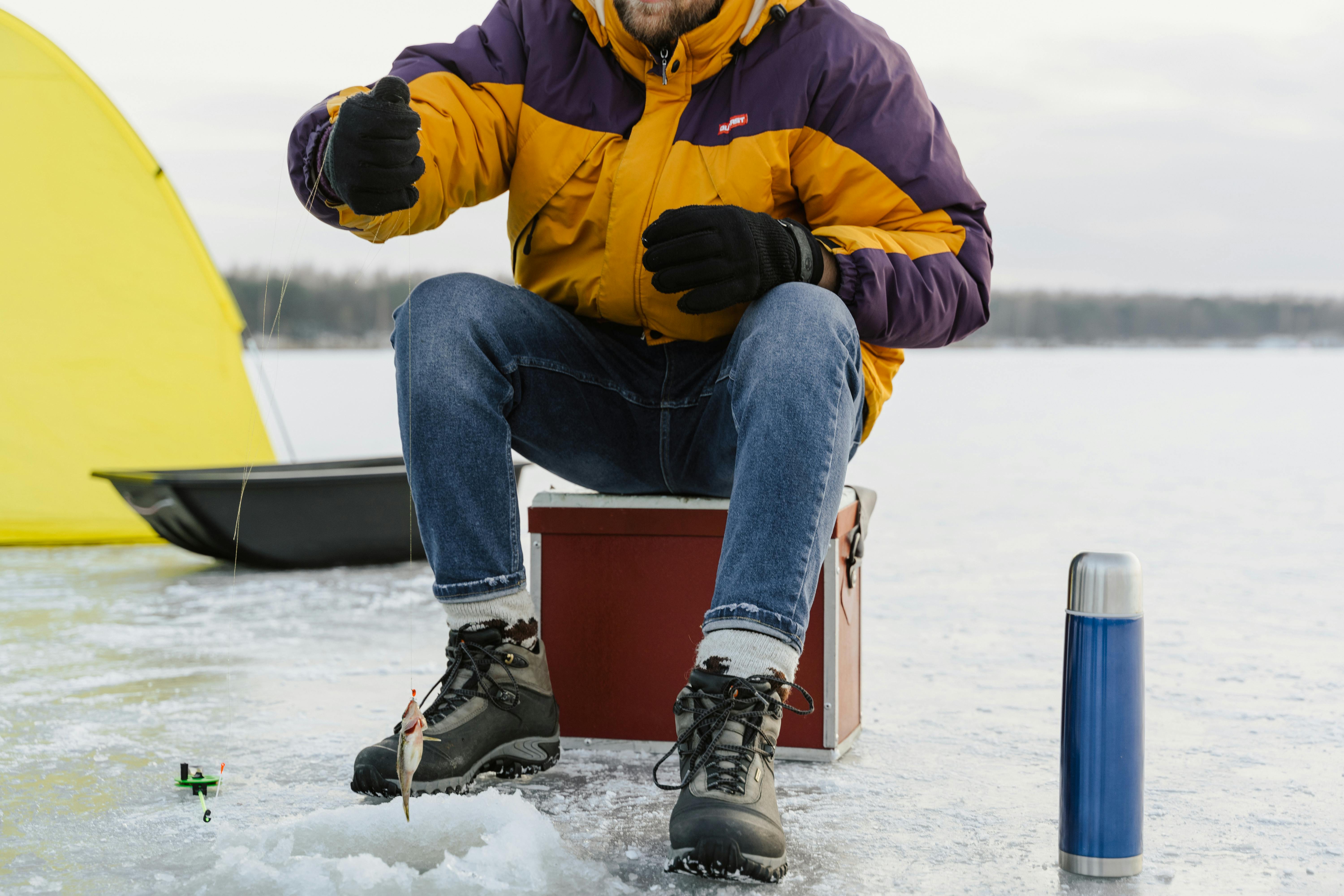
When it comes to enjoying a successful day on the water, having the right gear is crucial. One of the most important pieces of equipment for any angler is Fly fishing boots. Not only do these boots provide the necessary support and comfort, but they also ensure safety on slippery rocks and uneven riverbeds. In this guide, we’ll dive into the best fly fishing boots on the market, what real anglers recommend, and how to choose the perfect pair for your next fishing adventure.
Why Choosing the Right Fly Fishing Boots Matters
Selecting the right fly fishing boots can make a significant difference in your angling experience. The ideal boots provide traction, stability, and protection. Poorly designed boots can lead to fatigue, discomfort, or even injuries from slipping on wet surfaces. Experienced anglers know that investing in quality boots can improve both performance and safety.
Types of Fly Fishing Boots
There are several types of fly fishing boots available, each designed to meet different fishing conditions:
Wading Boots
Wading boots are specifically designed for anglers who wade into rivers or streams. They typically have reinforced soles for better traction and ankle support. These boots are compatible with various types of studs or cleats to provide grip on rocks and muddy surfaces.
Felt Sole Boots
Felt sole fly fishing boots offer excellent grip on slippery riverbeds. They are traditional and still popular among many anglers. However, some regions have restrictions on felt soles due to the risk of spreading invasive species.
Rubber Sole Boots
Rubber sole boots are a modern alternative, providing durability and decent traction. While they may not grip as well as felt in some slippery conditions, they are low-maintenance and widely accepted in most fishing areas.
Stockingfoot Waders with Boots
Many anglers prefer stockingfoot waders paired with wading boots. This combination allows for a customized fit and flexibility. Stockingfoot boots provide excellent support and can be used with felt or rubber soles depending on your fishing location.
Features to Look for in Fly Fishing Boots
When shopping for fly fishing boots, several key features should be considered:
Traction and Grip
Traction is critical for safety while wading. Look for boots with aggressive treads or studs designed for wet and slippery surfaces. Proper grip prevents slips and falls, which is essential for long days on the water.
Comfort and Fit
Comfort is non-negotiable. Boots should provide proper arch support and fit snugly without causing pressure points. Many anglers spend hours in their boots, so comfort can directly impact the enjoyment of your fishing trip.
Durability and Materials
High-quality materials such as waterproof leather, neoprene, or synthetic fabrics ensure longevity. Durable boots withstand repeated exposure to water, rocks, and rough terrain. Investing in a solid pair of fly fishing boots will save you money over time.
Weight
Lightweight boots reduce fatigue during long walks along riverbanks. Heavy boots can be cumbersome and may cause discomfort during extended fishing sessions.
Top Recommended Fly Fishing Boots by Real Anglers
Real anglers often have personal preferences based on their fishing style and environment. Here are some of the most recommended fly fishing boots:
- Simms Tributary Wading Boots: Known for comfort and versatility, ideal for rocky rivers.
- Orvis Clearwater Boots: Lightweight and durable, suitable for long wading trips.
- Korkers Guide Pro Boots: Features interchangeable soles for different terrain conditions.
- Redington Sonic-Pro Boots: Affordable, durable, and easy to maintain.
Maintenance Tips for Longevity
To extend the life of your fly fishing boots, proper maintenance is essential. Rinse your boots with fresh water after each use to remove dirt, algae, and sediment. Allow them to air dry completely to prevent mold and odors. For leather boots, occasional conditioning will help maintain flexibility and prevent cracking.
Safety Considerations
Safety should never be overlooked when choosing fly fishing boots. Ensure that your boots provide adequate ankle support to prevent twists and sprains. Using appropriate studs or cleats based on water conditions will significantly reduce the risk of slipping.
Conclusion
Investing in quality fly fishing boots is crucial for any angler looking to maximize both comfort and safety on the water. From felt soles to modern rubber options, choosing the right boots depends on your fishing environment and personal preferences. By considering traction, durability, comfort, and fit, you can ensure that your boots will support you for many successful fishing trips ahead. Real anglers recommend prioritizing quality and functionality over price, as the right pair of boots can transform your fly fishing experience.